Lifestyle
How Introducing a Dedicated Drawer for Outgoing Items Eliminates the Visual Clutter That Accumulates in Transition Zones
A single dedicated drawer for returns, donations, and borrowed items can eliminate the visual clutter that builds up in home transition zones. Here's how to set one up and keep it working.
By Robert Kim | Nov 06, 2026
Why Establishing a Quarterly Conversation With a Trusted Friend About Long-Term Goals Produces More Honest Self-Reflection Than Journaling Alone
Journaling builds self-awareness, but a quarterly conversation with a trusted friend adds something a notebook cannot: honest reflection shaped by someone who actually knows you.
By Robert Kim | Nov 03, 2026
How Keeping a Seasonal Wardrobe Rotation Instead of a Year-Round Closet Changes the Way You Engage With What You Actually Own
A seasonal wardrobe rotation changes more than your closet — it reshapes how you engage with everything you own. Here's how to make the system work in a way that lasts.
By Robert Kim | Oct 31, 2026
How Structuring Your Personal Reading Time Around a Subject Theme Each Quarter Rather Than Picking Books at Random Builds a More Connected and Lasting Body of Knowledge
Reading randomly leaves most people with isolated impressions that fade quickly. Organizing your reading around a single subject theme each quarter lets books build on each other, producing knowledge that actually sticks.
By Robert Kim | Oct 28, 2026
How Assigning a Fixed Physical Home for Every Object You Own Eliminates the Hidden Time Cost of Searching for Things Each Day
Every minute spent searching for misplaced objects adds up to a surprising daily tax on your time and attention. Assigning every object a fixed physical home — and returning it there after every use — is the simplest way to eliminate that cost entirely.
By Robert Kim | Oct 25, 2026

How Replacing Your Default Weekend Socialising Pattern With Deliberately Smaller Gatherings Changes the Depth of Conversation You Have Over a Year
Swapping large weekend gatherings for smaller, more deliberate ones doesn't just change your Saturday nights — it gradually transforms the quality of every relationship you invest in across the year.
By Robert Kim | Oct 20, 2026

Why Treating Your Bookshelf as a Curated Rotating Collection Rather Than a Permanent Archive Changes How Often You Actually Read
A bookshelf treated as a permanent archive gradually stops being read. Shifting to a curated, rotating collection changes the relationship between a reader and their books in ways that consistently lead to more actual reading.
By Robert Kim | Oct 17, 2026

How Building a Rotating Monthly Dinner Menu of Eight Meals Rather Than Planning Weekly From Scratch Reduces Cognitive Load and Food Waste Simultaneously
A rotating monthly dinner menu built around eight core meals quietly eliminates nightly decision fatigue and reduces food waste by creating a shopping and cooking rhythm that practically runs itself.
By Marcus Chen | Oct 14, 2026

Why Treating Your Grocery Shopping as a Weekly Ritual Rather Than an Errand Changes What You Buy and How You Eat for the Rest of the Week
Grocery shopping treated as a ritual rather than an errand shapes not just what ends up in the cart, but how the entire week unfolds around food. Intention before arrival, familiarity with a store, and a loose weekly sketch all work together to produce better choices and more considered eating.
By Marcus Chen | Oct 11, 2026

Why a Standing Midweek Check-In With Yourself Produces More Consistent Follow-Through Than End-of-Month Reviews
End-of-month reviews reveal drift that's already happened. A standing midweek check-in on your financial and creative goals lets you catch and correct that drift while the week still has room to move.
By Michael Thompson | Oct 08, 2026
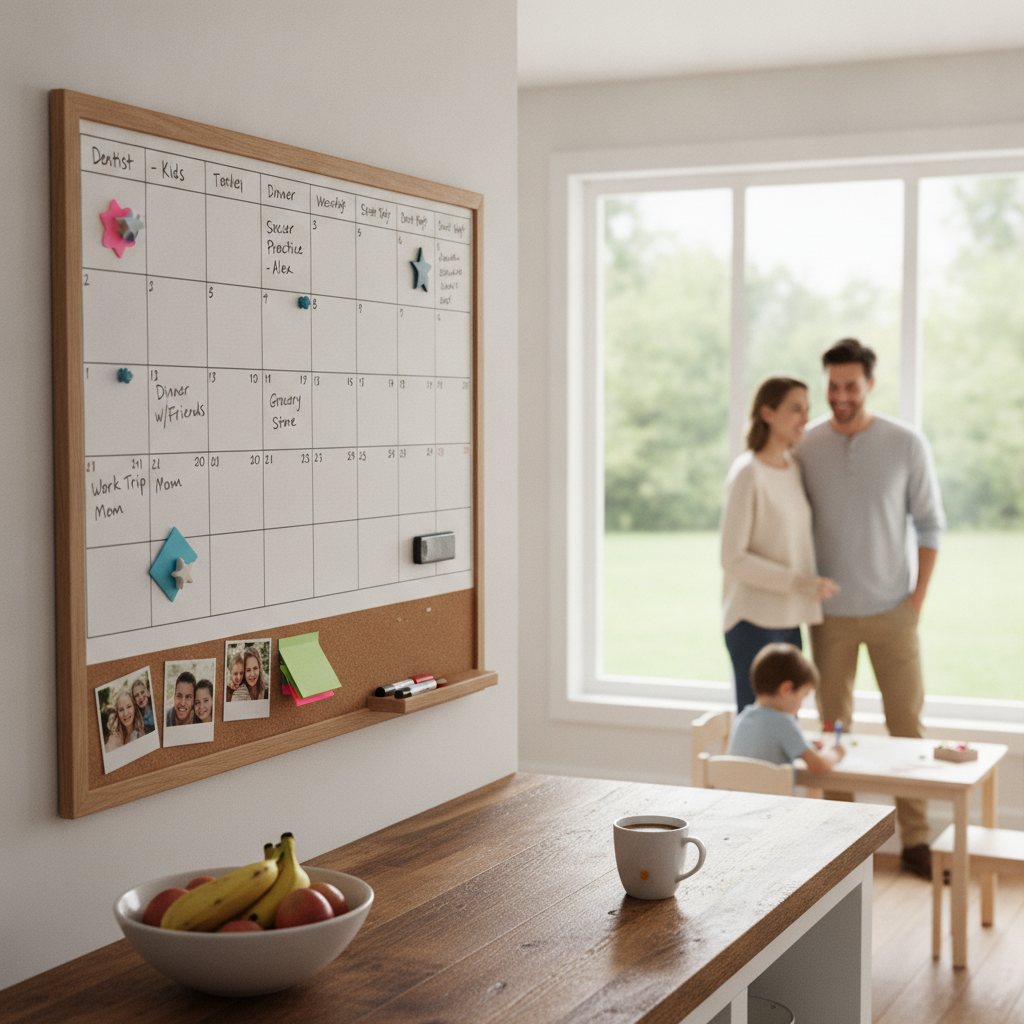
Why Keeping a Single Shared Household Calendar in a Physical Location Changes How Couples and Families Manage Competing Schedules
A single physical calendar in a shared household space reduces scheduling friction, cuts down on repeated check-ins, and gives couples and families a passive system for staying coordinated without constant negotiation.
By Robert Kim | Oct 05, 2026

Why Replacing a Weekend Errand Morning With a Single Slow Activity Done Entirely for Its Own Sake Restores a Quality of Rest That Efficiency Habits Gradually Remove
Errand-packed weekend mornings quietly erode a quality of rest that efficiency habits make invisible. Replacing even one with a single slow, purposeless activity restores something the task list can never provide.
By Robert Kim | Oct 02, 2026

How a Dedicated Monthly Reading Shelf Changes Your Follow-Through Rate Compared to a General To-Be-Read Pile
A dedicated monthly reading shelf turns vague reading intentions into a visible, time-bounded commitment — and that structural shift is why it produces far better follow-through than a general to-be-read pile.
By Robert Kim | Sep 29, 2026

How Writing Three Specific Things You Are Anticipating Each Sunday Evening Shifts Your Psychological Orientation Toward the Week Ahead Rather Than Away From It
Writing three specific things you're anticipating each Sunday evening is a small, consistent practice that shifts your psychological orientation toward the week ahead rather than away from it. Here's how and why it works.
By Amanda Foster | Sep 26, 2026

Why Decluttering Your Digital Desktop and File Structure Once a Quarter Reduces the Low-Level Cognitive Noise That Accumulates Between Work Sessions
A cluttered desktop and tangled file structure create low-level cognitive noise you stop noticing but never stop carrying. A quarterly digital reset clears that buildup before it quietly erodes your focus.
By Chris Martinez | Sep 23, 2026

Why Choosing One Analog Morning Activity Before Any Screen Contact Gradually Rebuilds a Sense of Ownership Over How Your Day Begins
Reaching for your phone first thing hands your morning to someone else before you've made a single conscious choice. One small analog habit, done consistently before any screen contact, gradually restores a genuine sense of ownership over how your day begins.
By Robert Kim | Sep 20, 2026

Why Rewriting Your Default Evening Conversation From Complaint to Curiosity Changes the Emotional Tone of Your Closest Relationships Over Time
The default tone of evening conversation shapes the emotional architecture of long-term relationships more than most people recognize. Shifting from habitual complaint to genuine curiosity is a small practice with surprisingly lasting effects.
By Rachel Kumar | Sep 17, 2026

Why Setting a Firm End Time for Your Workday and Treating It Like an External Appointment Gradually Restores the Boundary That Remote Work Slowly Dissolves
When your home is also your office, the workday rarely has a clean ending. Setting a firm end time and treating it like an external appointment is one of the most effective ways to reclaim the boundary remote work quietly erodes.
By Michael Thompson | Sep 14, 2026
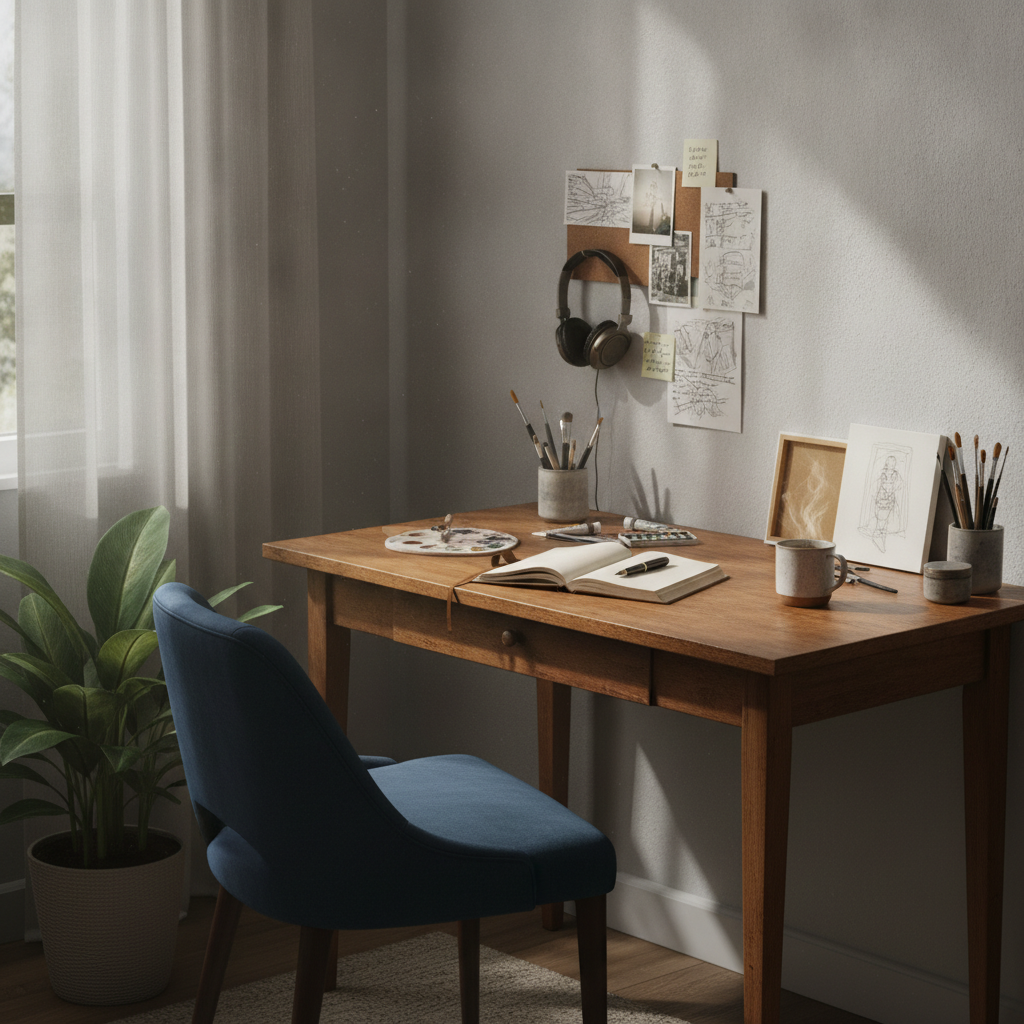
Why Keeping a Dedicated Physical Space for Creative Work — Even a Single Corner — Changes How Quickly You Shift Into a Focused State
A single dedicated corner for creative work does more than organize a room — it trains the brain to shift into focus faster, every time you sit down there.
By Robert Kim | Sep 11, 2026

Why Establishing a Quarterly Personal Finance Review Ritual Produces Clearer Spending Patterns Than Any Budgeting App Running in the Background
A quarterly personal finance review gives you something no background budgeting app can — a deliberate moment to understand your spending patterns and make intentional adjustments before habits solidify.
By Marcus Chen | Sep 08, 2026

How Designating One Evening Per Week as a No-Obligation Night Gradually Restores a Sense of Personal Agency That Overscheduling Erodes
When overscheduling quietly erodes a person's sense of choice, designating one weekly evening with no obligations offers a surprisingly direct path back to genuine personal agency.
By Robert Kim | Sep 05, 2026

Why Giving Each Relationship in Your Life a Dedicated Annual Check-In Conversation Prevents the Gradual Distance That Busy Schedules Create
Relationships rarely fall apart dramatically — they fade through inattention. An annual check-in conversation with each meaningful person in your life is one of the simplest ways to prevent that quiet drift.
By Robert Kim | Sep 02, 2026

How Creating a Dedicated Threshold Ritual When You Enter Your Home Each Evening Separates the Workday From the Rest of Your Night
Walking through your front door doesn't automatically end the workday — but a consistent threshold ritual can. These practical steps help you create a meaningful transition between work and your evening at home.
By Robert Kim | Aug 30, 2026
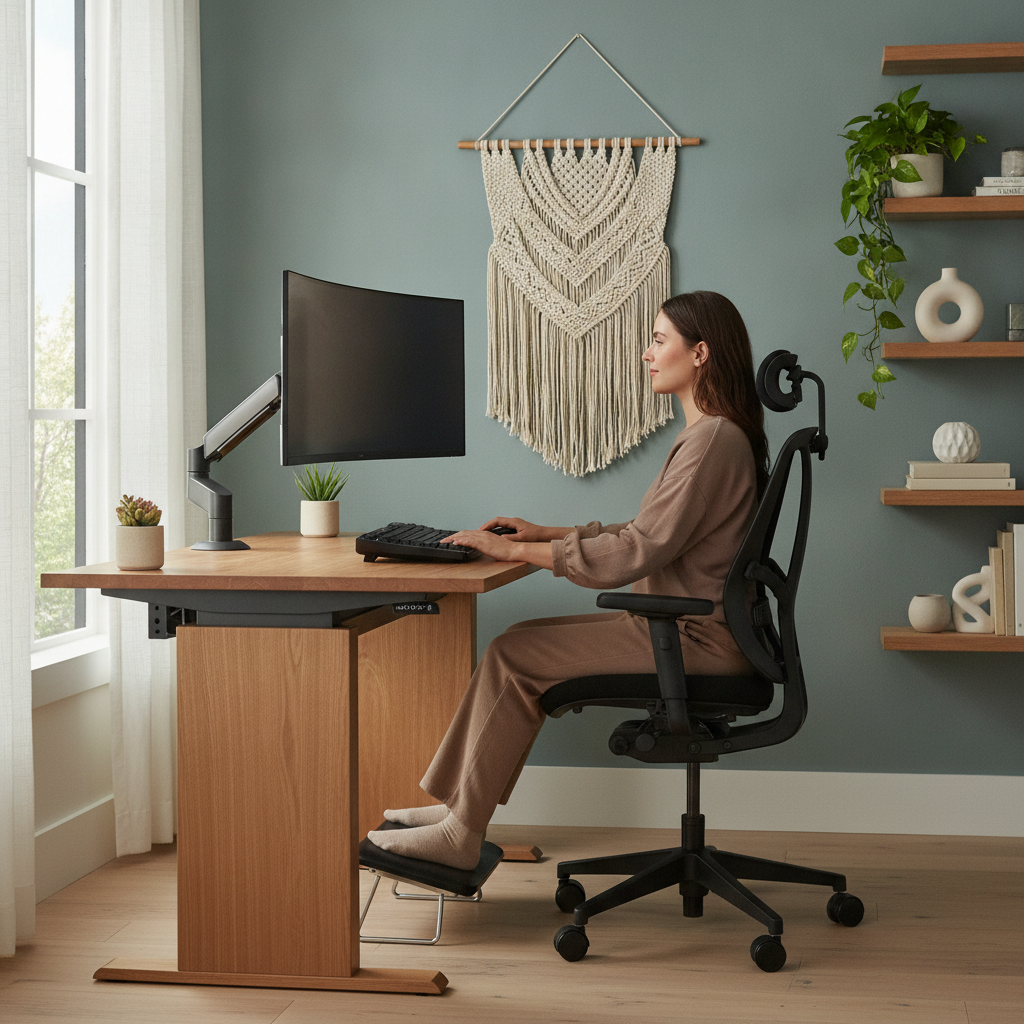
How Renegotiating the Physical Layout of Your Home Office Around Posture First and Aesthetics Second Reduces the Low-Level Fatigue That Accumulates Across Long Work Sessions
Low-level fatigue at the end of a long workday often traces back to how your home office is physically arranged. Reorganizing around posture before aesthetics can change how you feel by late afternoon.
By David Park | Aug 27, 2026

Why Scheduling a Monthly Unstructured Afternoon With No Tasks or Plans Restores a Type of Mental Spaciousness That Productivity Habits Quietly Erode
Productivity habits are quietly efficient at eroding mental spaciousness — and one unstructured afternoon each month may be the simplest, most overlooked way to restore it.
By Chris Martinez | Aug 24, 2026

Why Assigning Every Recurring Weekly Task a Fixed Time Slot Rather Than a To-Do List Entry Reduces the Cognitive Friction of Getting Started
To-do lists tell you what to do — but fixed time slots tell you when, eliminating the decision fatigue that makes recurring tasks feel harder than they are. Here's how scheduling by time rather than list reduces the friction of getting started each week.
By Robert Kim | Aug 21, 2026

How Replacing Ambient Background Noise With Intentional Silence for One Hour Each Evening Changes Your Baseline Stress Response Over Several Weeks
Choosing deliberate silence for one evening hour each day may sound simple, but its effects on the nervous system's baseline stress response over several weeks are both measurable and meaningful.
By Rachel Kumar | Aug 18, 2026

Why Hosting a Small Dinner at Home Once a Month Does More for Your Social Life Than Accepting Every Casual Invitation You Receive
Accepting every casual invitation keeps your calendar full but rarely deepens connection. Hosting a small dinner at home once a month does something different — and more lasting.
By Robert Kim | Aug 14, 2026

How Keeping a Separate Physical Notebook for Recurring Decisions Reduces the Mental Load of Making the Same Choices Repeatedly
A dedicated physical notebook for recurring decisions quietly reduces the mental energy spent re-making the same choices. Here's how to build a simple system that actually sticks.
By Robert Kim | Aug 11, 2026
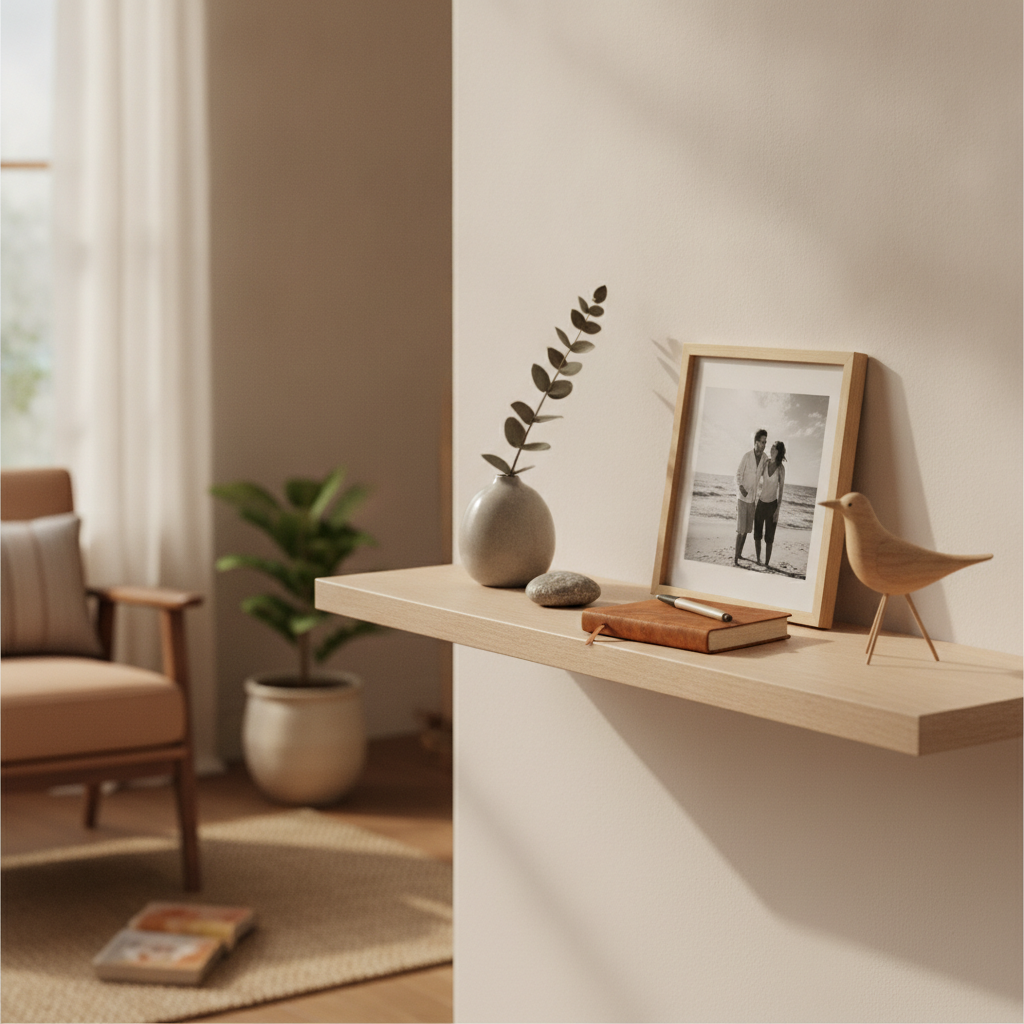
Why Curating a Small Collection of Meaningful Objects on a Single Shelf Does More for Daily Wellbeing Than Decorating an Entire Room
A single shelf curated with meaningful objects offers more daily calm and psychological grounding than an entire room filled with decoration. Here's why less, chosen carefully, does more.
By Michael Thompson | Aug 08, 2026

How Replacing Your Default After-Work Scroll With a Ten-Minute Tactile Hobby Creates a Cleaner Psychological Break Between Work and Evening
Swapping your post-work phone scroll for a ten-minute tactile hobby creates a genuine psychological boundary between work mode and your evening. Here's how to make that small shift stick.
By Robert Kim | Aug 04, 2026

Why Treating Your Weekend Mornings as Protected Slow Time Rather Than Catch-Up Sessions Changes How You Enter the Following Week
Treating weekend mornings as protected slow time rather than catch-up sessions does more than feel pleasant in the moment — it measurably changes the energy and clarity you bring to the week ahead.
By Emily Rodriguez | Aug 01, 2026
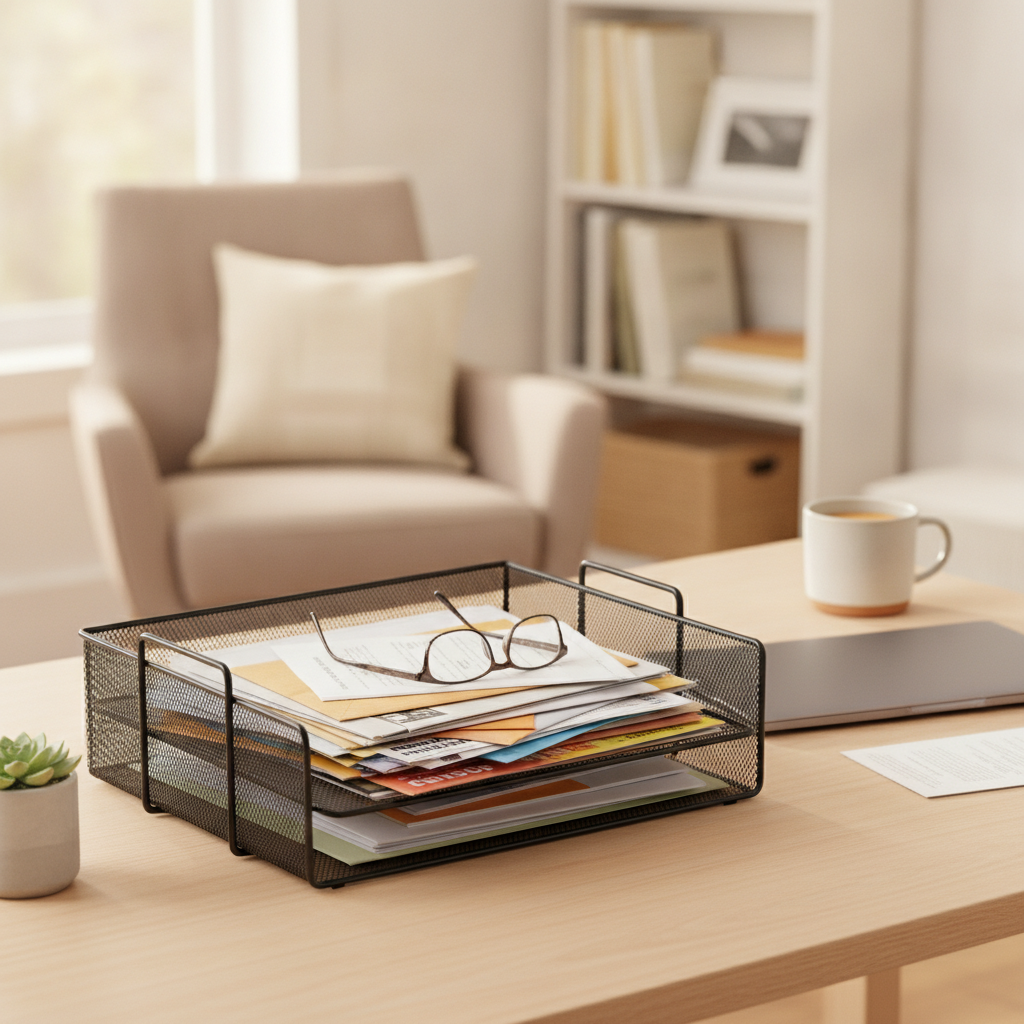
How Designating One Physical Inbox Tray for All Incoming Paper Eliminates the Low-Grade Anxiety of Scattered Documents
A single physical inbox tray can eliminate the scattered-document anxiety that quietly follows you through the day. Here's how to set it up and make it stick.
By David Park | Jul 29, 2026

Why Redesigning One Room With Natural Materials and Indirect Lighting Changes How You Feel After a Long Workday
The physical environment of a room has a direct effect on how quickly the body recovers after work. Natural materials and indirect lighting work together to signal rest in ways that synthetic, harshly lit spaces cannot.
By Robert Kim | Jul 25, 2026

How Auditing Your Weekly Screen Time Report Once a Month Reveals Patterns You Can Actually Change
Glancing at your screen time every Sunday creates guilt without insight. Reviewing four weeks of data at once, once a month, reveals patterns that are specific enough to actually change.
By Robert Kim | Jul 22, 2026

How Writing a One-Sentence Intention Each Morning Before Checking Your Phone Reshapes the Tone of Your Entire Day
Writing a single sentence of intention before reaching for your phone each morning is a small habit with a surprisingly lasting effect on how the rest of your day feels and unfolds.
By Robert Kim | Jul 19, 2026

How Rotating a Small Set of Hobbies on a Monthly Basis Prevents the Restlessness That Kills Long-Term Creative Habits
Rotating a small collection of hobbies on a monthly basis works with the natural cycle of creative engagement rather than against it — preventing the quiet burnout that causes most people to abandon the pursuits they genuinely love.
By Robert Kim | Jul 16, 2026

Why Anchoring One Consistent Midweek Social Ritual Counteracts the Slow Drift of Adult Isolation
Adult friendships rarely collapse — they simply fade through neglect. One consistent midweek social ritual creates the structural anchor that prevents that slow, invisible drift.
By Robert Kim | Jul 13, 2026

Why Keeping a Running List of Small Wins Each Week Shifts Your Default Mental Baseline Over Time
Tracking small wins each week isn't just a feel-good exercise — it's a practical way to retrain the brain's default negativity bias and build a more accurate picture of daily progress over time.
By Robert Kim | Jul 10, 2026

How Designing a Weekly Reset Ritual on Sunday Evenings Prevents Monday Morning Overwhelm
A simple Sunday evening reset ritual can transform the way Monday morning feels. Here's how to design one that actually works.
By Emily Rodriguez | Jul 07, 2026

How Owning Fewer Clothes Actually Simplifies the Way You Make Decisions Each Morning
A cluttered wardrobe draws from the same mental reserves needed for the rest of the day. Owning fewer, more intentional clothes quietly transforms the morning — and everything that follows.
By David Park | Jun 29, 2026

How Single-Tasking Rebuilds Your Focus in an Age of Constant Digital Interruption
Constant digital interruption has made deep focus feel almost impossible — but single-tasking offers a practical, proven path back. Here's how to rebuild your attention one habit at a time.
By Marcus Chen | Jun 27, 2026

Cost of Living Around the World: Affordable Cities for Digital Nomads
By Ethan Sawyer | Mar 05, 2026

Building Community Abroad: How Expats Make Friends in New Places
By Aiden Reese | Mar 04, 2026

Learning the Local Language: Why It’s More Than Just Words
By Lena Grant | Mar 03, 2026

Parenting Abroad: Raising Kids in a Different Culture
By Julian Styles | Feb 22, 2026

Adjusting to a Slower Lifestyle: What Living Overseas Teaches You About Simplicity
By Mia Santos | Oct 17, 2025

Remote Work from Paradise: Best Countries for Work-Life Balance
By Carter Grant | Oct 17, 2025

Cultural Shock and How to Thrive in a New Country
By Scarlett Brooks | Oct 17, 2025