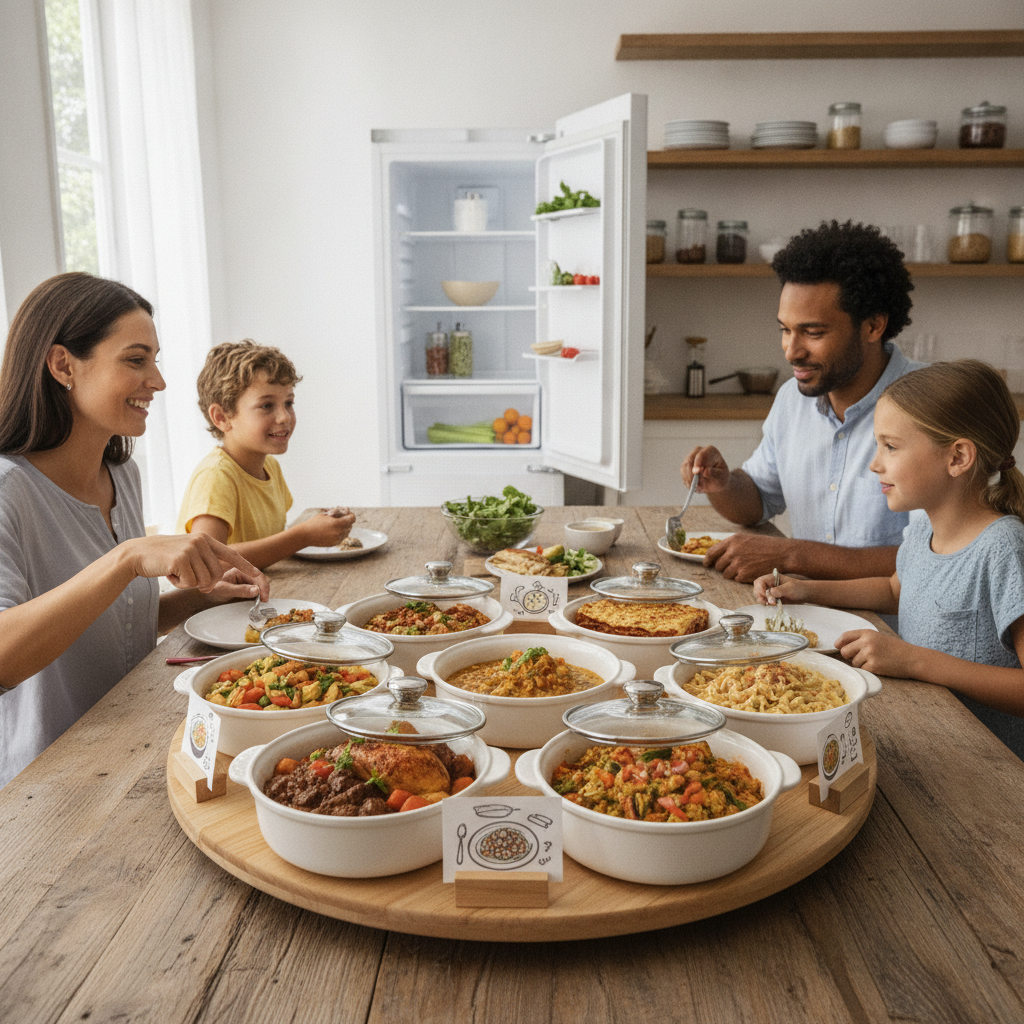
Dinner planning is one of those tasks that feels small until you're doing it four times a month, every month, indefinitely. The familiar cycle of staring into the fridge at 5:30 p.m., scrolling through recipes you've seen a hundred times, and then defaulting to pasta again isn't laziness — it's decision fatigue. When you're already drawing on your mental reserves after a full day, asking yourself to plan and execute a meal from a blank slate is genuinely costly. A rotating monthly menu built around eight core dinners sidesteps the whole problem, and it does two useful things at once: it quiets the mental noise of nightly decisions and it dramatically cuts down on ingredients that quietly expire in the back of your fridge.
Why Eight Meals Hits the Right Balance
Eight meals across a month gives you enough variety to avoid boredom without overwhelming the system. Cycle through those eight dinners twice in a month and you naturally build a shopping pattern, a pantry rhythm, and a pace that starts to feel effortless rather than effortful. Apps like Paprika or Mealime make it easy to store and rotate your chosen meals, but even a handwritten card on the fridge works just as well. The number isn't arbitrary — it's small enough to memorize and large enough to feel varied.
Choosing Your Eight With Intention
The meals you select matter more than the system itself. A good rotating roster mixes cooking methods, protein types, and preparation times so weeknights with less energy are covered by simple meals, while weekend slots hold the ones you actually enjoy spending time on. Think one slow-cooker dish, two sheet-pan dinners, a soup or stew, a pasta, a stir-fry, and two others that reflect what your household genuinely likes. Trader Joe's pantry staples or familiar spice combinations from cuisines you cook regularly work well as anchors. You're not building a gourmet calendar — you're building a reliable one.
Mapping Your Menu to the Calendar
Once you have your eight meals, the next step is assigning them to specific weeks rather than leaving them floating. Most households have a rough pattern — busier midweek, more time on Sundays — and your menu should reflect that honestly. Pinning a slow-cooker chicken dish to Tuesday and a quick stir-fry to Thursday takes the decision out of the moment entirely. The calendar does the thinking. When Monday arrives and you already know what you're making Thursday, you can shop for it in one trip without guessing. That small act of pre-deciding ripples through the whole week.
Building One Shopping List That Serves the Whole System
One of the quieter advantages of a rotating menu is what it does to your grocery list. When you cook the same eight meals on a loop, you stop guessing what you need and start knowing it. A standing list — maintained in something as simple as Google Keep or a notes app — covers the recurring staples without having to rebuild it each week. You'll notice quickly which ingredients cross over between meals, which makes batch purchasing genuinely useful rather than optimistic. Buying a large bunch of cilantro when it serves three of your eight meals is smart; buying it for one meal is how it ends up brown in the crisper drawer.
Using Overlap Ingredients to Cut Waste
Food waste shrinks most dramatically when ingredient overlap is deliberate. As you settle on your eight meals, look for natural bridges — the half can of coconut milk that the curry uses on Wednesday can finish in a weekend soup. A whole cabbage purchased for a slaw can reappear shredded in Tuesday's stir-fry. This is where the fixed menu creates a kind of internal logic that weekly-from-scratch planning rarely achieves, because you simply don't have enough visibility across the week to plan that way. Over time, you'll know exactly which portions of each ingredient get used and buy accordingly.
Updating the Menu Seasonally, Not Constantly
A rotating menu shouldn't feel like a prison sentence. The key to keeping it fresh is reviewing and updating your eight meals every season rather than every week. When late summer produce from a farmers' market like Reading Terminal Market in Philadelphia starts shifting to winter root vegetables, let one or two meals on your list shift with it. Swapping a summer zucchini pasta for a roasted squash version takes ten minutes of planning and resets your menu without breaking the system. Four updates a year is all it takes to stay engaged without undoing the cognitive relief you've built.
Involving Your Household in the Selection
The system works best when everyone who eats the meals has some say in choosing them. Even a simple shortlist process — each person in the household nominates two or three favorites — gets buy-in and prevents the quiet resentment of eating meals only one person chose. For families with children, rotating familiar favorites alongside one slightly more adventurous meal each cycle builds flexibility without friction. When people recognize the meals coming up on the calendar, they're also more likely to help prepare them, which distributes the effort more evenly across the week.
Treating the System as a Floor, Not a Ceiling
A rotating eight-meal menu is a foundation, not a rule that forbids spontaneity. Some weeks you'll order takeout from a local spot you've been meaning to try. Some weeks a friend arrives with dinner already planned. The menu absorbs those variations without collapsing because it doesn't depend on perfect adherence — it depends on reducing the number of decisions you make from zero. The nights you follow it, you save mental energy. The nights you don't, you haven't failed the system. You've just used a different option from the floor it gave you.
Starting is simpler than it sounds. Write down the eight meals your household actually eats and enjoys right now — not aspirational ones, just real ones. That list is already your first rotating menu. Once it's written down, you've done the hardest part, and every week that follows gets a little lighter for it.