There is a particular kind of restlessness that follows a traveler home from a fast itinerary — the nagging sense that they moved through places without ever really arriving in them. The photographs look beautiful, the stamps fill the passport, and yet something essential remains just out of reach, like a conversation that kept getting interrupted before it could go anywhere meaningful. This is the quiet paradox at the heart of modern travel: the more efficiently a trip is planned, the less of any place is actually encountered.
The Rhythm of Staying Longer
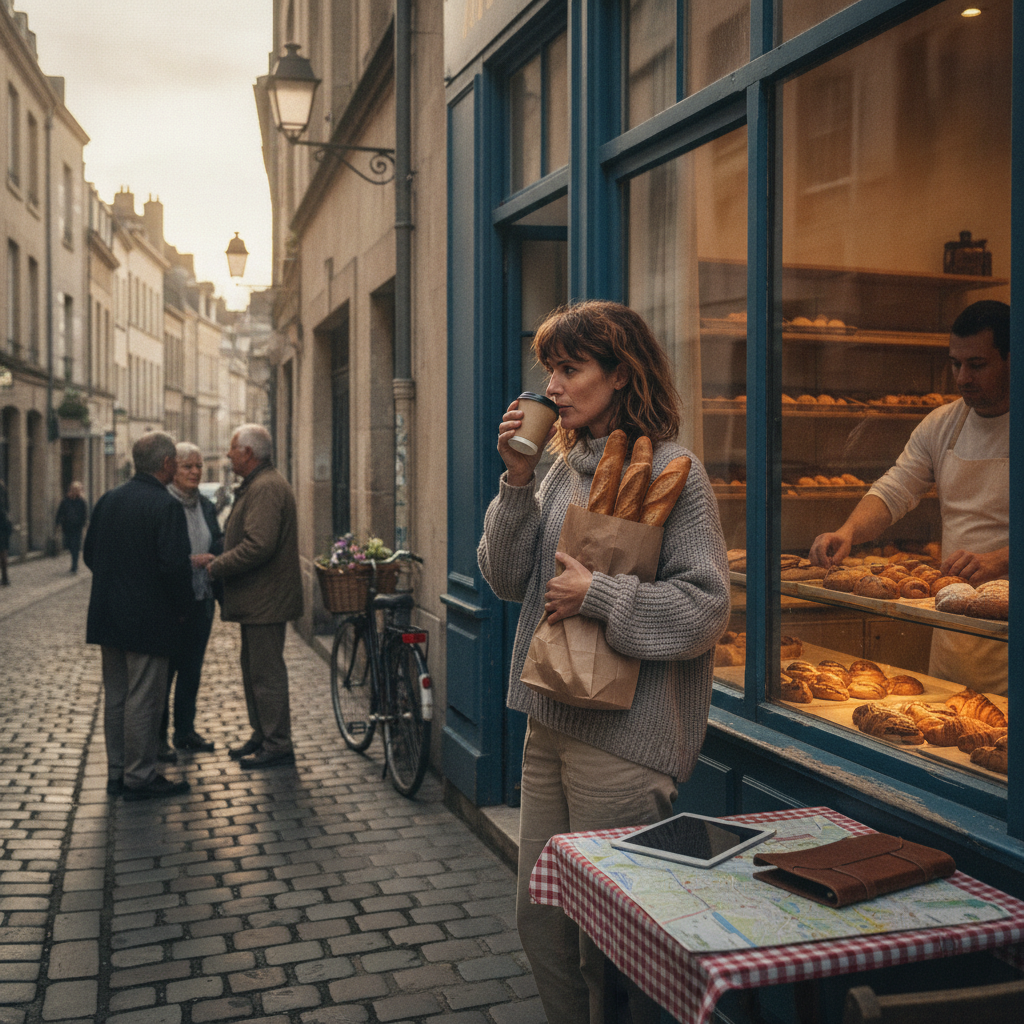
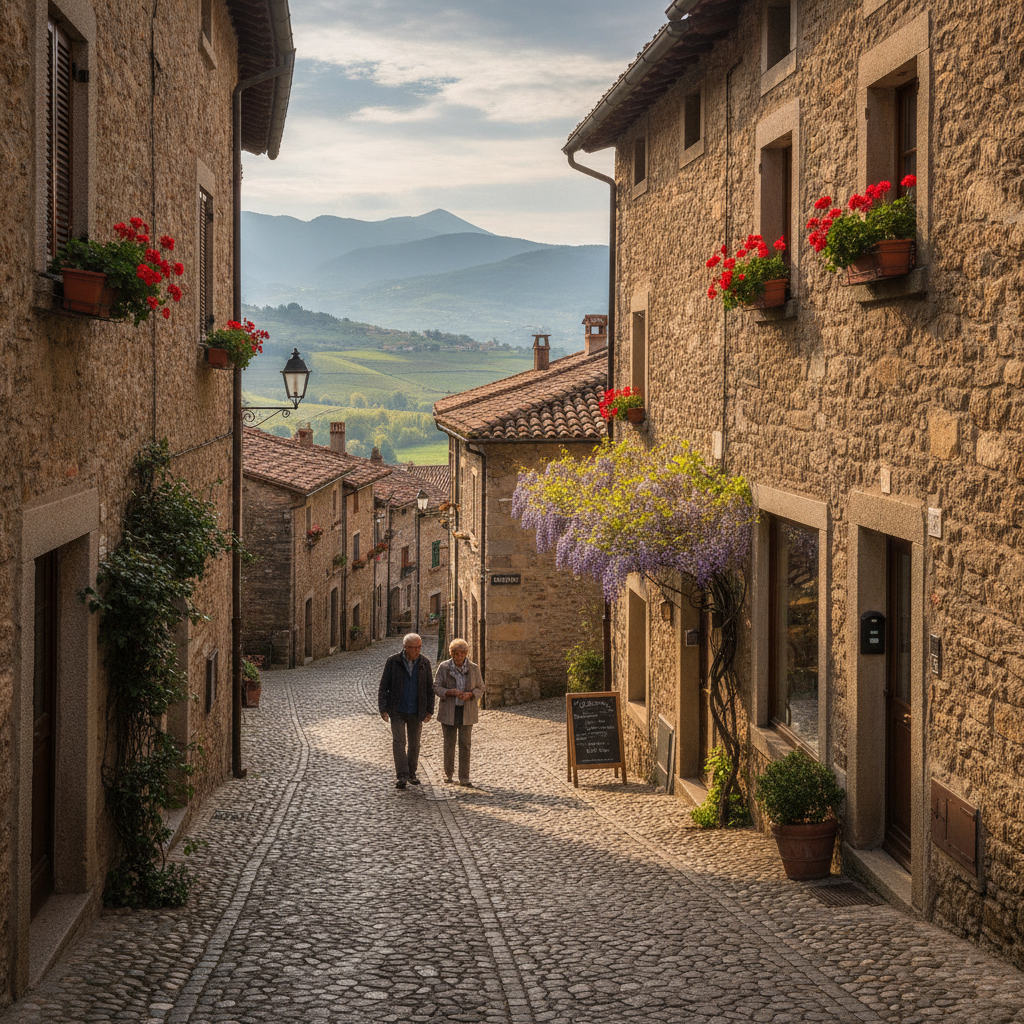
Slow travel is not simply a matter of moving less quickly. It is a fundamental reorientation toward what travel is for — a deliberate choice to exchange breadth for depth, to spend four days in one small Oaxacan town rather than touching six cities in a week. In the hill towns of Umbria, in the fishing villages along Portugal's Alentejo coast, in the quiet neighborhoods of Chiang Mai's old city, the architecture of daily life becomes visible only when a traveler stops racing past it. Markets restock. Locals nod in recognition on a second or third morning. The baker's schedule becomes familiar. These small accumulations of ordinary detail are, paradoxically, what make a place feel genuinely known rather than merely visited.
The highlight-reel approach to travel — shaped heavily by social media platforms and algorithm-curated content — tends to flatten destinations into a series of photogenic moments. A town becomes its cathedral, its sunset viewpoint, its most-reviewed restaurant. The spaces between those moments, which are where the actual texture of a place lives, get edited out entirely. Slow travel insists on keeping those in-between spaces, on treating the walk to the market as part of the experience rather than transit to the next one.
What Small Towns Teach That Cities Cannot
Small towns operate by different rules than tourist-facing cities, and those rules are instructive. In a city like Lisbon or Barcelona, entire neighborhoods have evolved to serve the traveler's gaze — menus appear in six languages, shop windows are curated for the camera, and the local population has largely retreated to outer districts. Small towns haven't made that trade. A traveler in Albi, in southern France, or in Plovdiv's quiet residential quarters, is not the audience for any performance. They are simply present in a place that continues to be itself regardless of their arrival.
This distinction matters because genuine cultural encounter — what anthropologists call *emplacement*, the sense of being physically and socially located in a specific community — requires a certain reciprocity. A traveler rushing through on a day trip cannot offer that reciprocity. They consume the view and leave. The slow traveler, by contrast, becomes briefly part of the local pattern: they occupy a table at the same café two mornings running, they learn which stall at the weekly market sells the best cheese, they overhear the same argument between neighbors that seems to resurface every Thursday. None of this is dramatic. All of it is real.
The Economics and Logistics of Going Slower
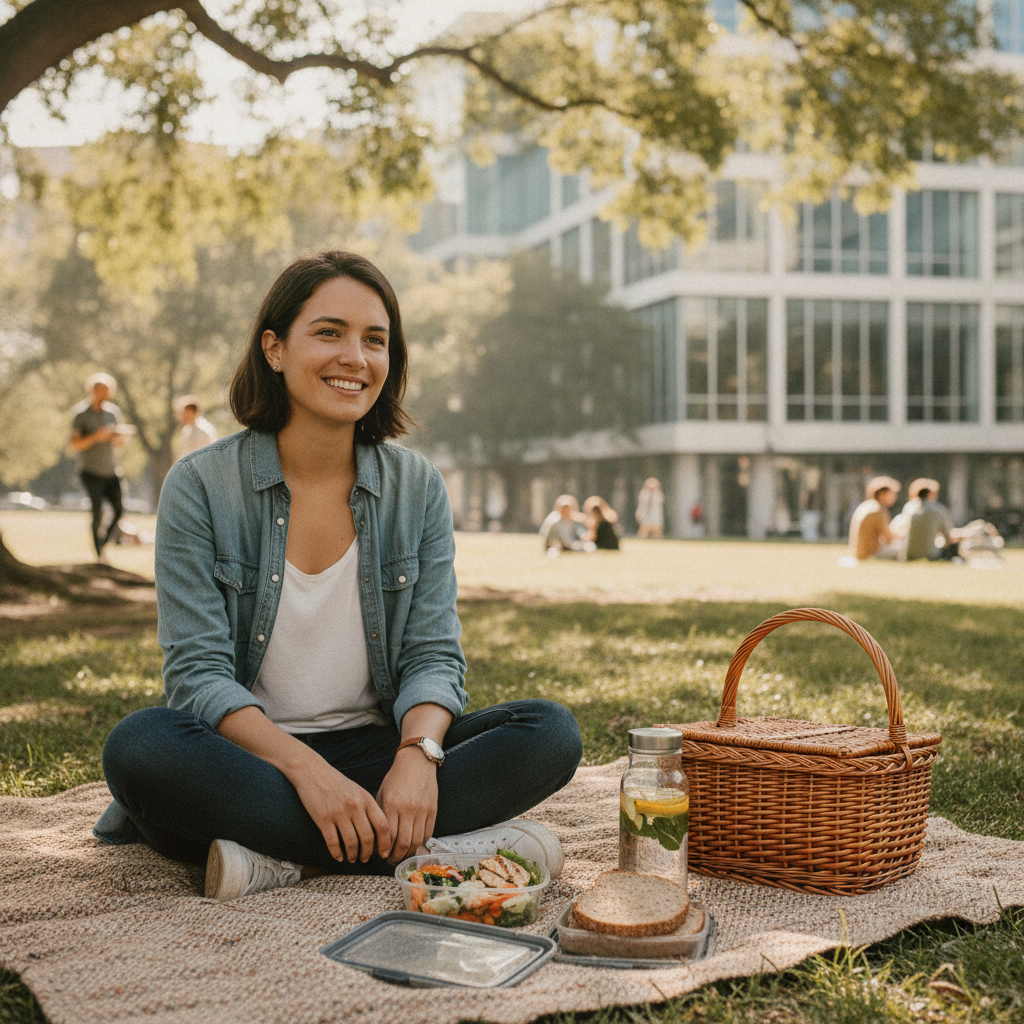
Slow travel also tends to be more economical than its hurried counterpart, which is one of its least-celebrated advantages. When a traveler stays in one place for a week or longer, nightly accommodation rates often drop significantly. Cooking a few meals in a rented apartment or guesthouse reduces daily spending without requiring sacrifice. Apps like Workaway and platforms connecting travelers to long-stay rentals have made it considerably easier in recent years to establish temporary roots in smaller communities that don't appear on standard tourist routes.
The savings aren't only financial. The cognitive cost of constant transit — packing, unpacking, orienting to new transit systems, absorbing new currencies and customs every forty-eight hours — is genuinely exhausting in ways that erode the pleasure of the trip itself. Staying in one place for longer reduces that friction dramatically, allowing the mental energy that would otherwise go toward logistics to be redirected toward simple presence. The traveler who has been in a small Moroccan medina for five days moves through it differently than the one who arrived this morning — with less anxiety, more curiosity, and a much greater capacity to notice.
A Different Kind of Souvenir
What slow travel in small towns tends to produce, more reliably than any itinerary-driven trip, is a particular quality of memory. Not the memory of having seen a landmark, but the memory of having understood something — a fragment of how people organize their days, what they value, how they relate to strangers, what makes them laugh. These are the memories that remain textured and specific years later, while the photographs from the cathedral steps have long since blurred into a general impression of having been somewhere impressive.
There's a Japanese concept, *ma* (間), that describes the meaningful pause between things — the negative space that gives form its significance. Fast travel eliminates *ma* almost entirely, filling every hour with the next destination, the next meal, the next viewpoint. Slow travel, particularly in places small enough that nothing is competing for attention, restores it. The afternoon with nowhere urgent to be, the conversation that unfolds over a second glass of wine, the discovery of an unmarked path through an olive grove — these are not filler. They are, in many ways, the point.
You don't have to travel far or expensively to experience this. A long weekend in a small coastal town two hours from home, approached with genuine slowness and curiosity, can offer more than a week of frantic movement through famous cities. The destination matters less than the posture brought to it — the willingness to let a place reveal itself at its own pace rather than demanding it perform on cue. That restlessness that follows a traveler home from a highlight-reel trip tends to dissolve, almost entirely, when the traveler has actually been somewhere long enough to feel, however briefly, that they belonged there.