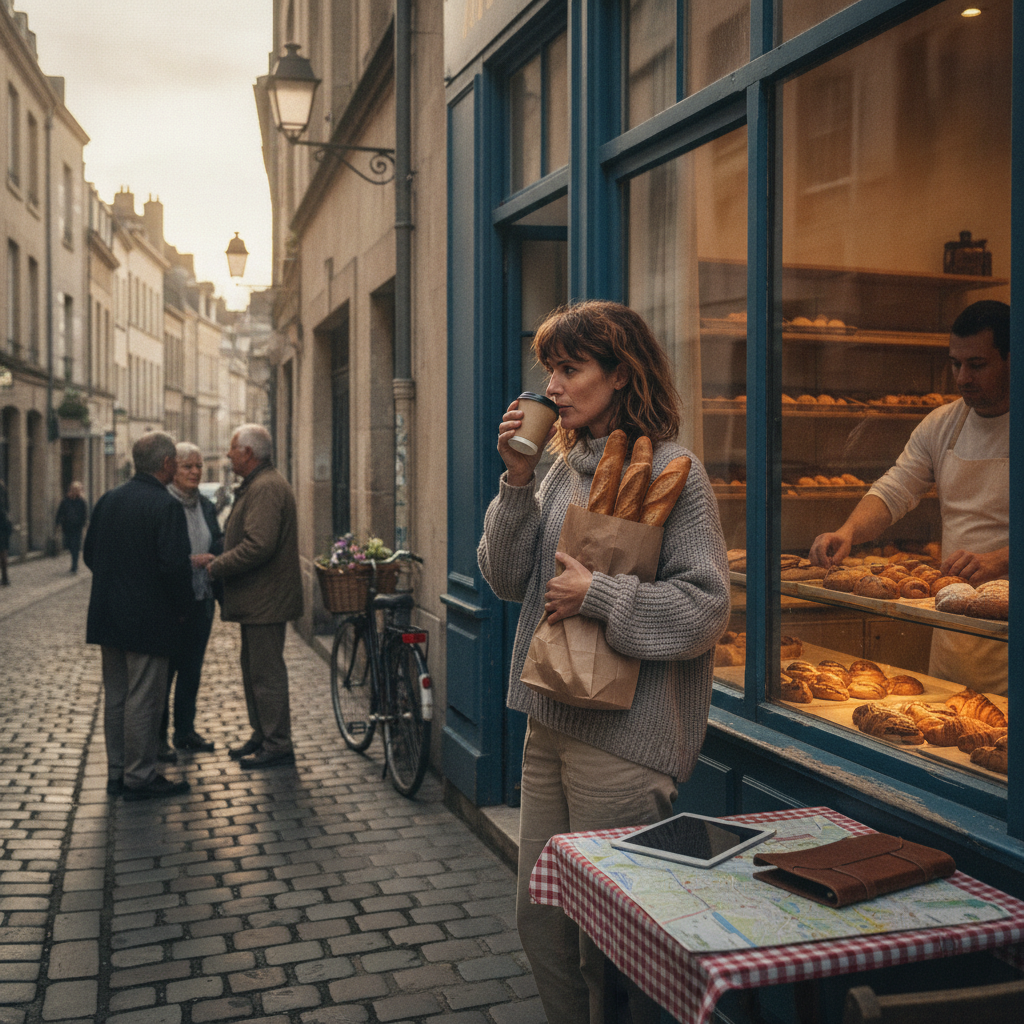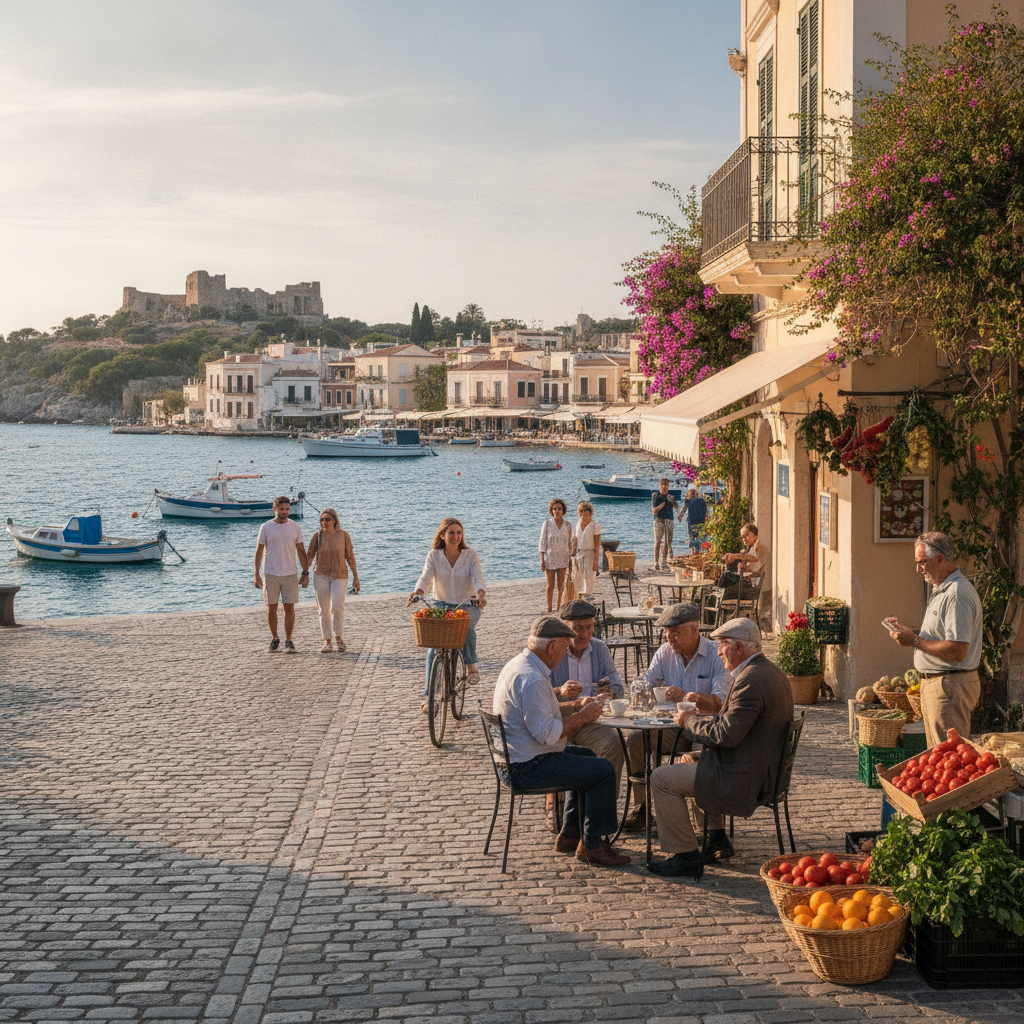
There's a particular kind of travel fatigue that sets in when every photo opportunity comes with a queue, when the café you wanted to try has an hour-long wait, and when the narrow old-town street you imagined strolling feels more like a conveyor belt than a discovery. It's the cost of peak season in the Mediterranean — and it doesn't have to be yours.
The Window That Most Travelers Overlook
Shoulder season in Mediterranean destinations falls roughly between late April and early June in spring, and again from mid-September through October in autumn. These weeks sit just outside the peak summer rush, which means temperatures remain pleasant, the sea is swimmable, and local life hasn't retreated indoors. What changes most noticeably is the atmosphere. Restaurants return to their natural pace. Museum staff have time to answer your questions. The person running the corner trattoria in Palermo or the family-owned taverna on a Greek island is likely to sit down and talk with you between lunch and dinner service, simply because there's room to breathe.
Why the Timing Feels Different
The rhythm of Mediterranean communities shifts dramatically once summer crowds thin out. Markets become practical again rather than performative. Fishing boats still go out early in the morning. Locals reclaim their favorite spots along the waterfront. For a traveler paying attention, this transition from tourist-facing performance to everyday authenticity is one of the most valuable things shoulder season offers — and it's not something you can manufacture by choosing the right hotel or the right tour.
Planning Around the Local Calendar, Not Just the Weather
One of the most effective ways to get the timing right is to cross-reference your travel window with local festivals, harvest seasons, and regional events. In southern Spain, September brings grape harvest celebrations in wine regions like La Rioja and the Penedès area of Catalonia. In Greece, October still holds warm evenings along the Aegean coast. In coastal Croatia, the crowds around Dubrovnik's old city walls drop sharply after the first week of September, yet the Adriatic water stays warm well into early autumn.
Using a platform like Google Flights with its flexible date search lets you identify the exact days when fares drop relative to the surrounding weeks — often the difference between a Tuesday arrival and a Friday arrival in early October can be significant. Pairing that with Airbnb's map view to find accommodation in residential neighborhoods rather than tourist centers gives you both cost advantages and a more honest sense of where you've landed.
Adjusting Expectations for What You Gain
Shoulder season travel does come with trade-offs worth knowing about. Some seasonal businesses — beach clubs, certain ferry routes, a few island-only restaurants — begin closing after mid-October. A little research ahead of time prevents surprises. But the trade-offs run the other direction too: you'll find lower accommodation rates, shorter lines at major sites, and a stronger likelihood that the people serving your coffee actually live in the town year-round.
Reading Crowd Patterns Before You Arrive
One practical habit that experienced travelers rely on is checking crowd prediction data before finalizing an itinerary. The app Sygic Travel offers layered destination insights, including seasonal visitor trends for specific cities and attractions. Google Maps' popular times feature, while designed for local use, applies just as well to tourist sites — checking how the Alhambra in Granada or the Acropolis Museum in Athens look across different hours and months gives a useful baseline before you've even booked a flight.
It's also worth spending time in travel forums and communities like TripAdvisor's destination boards, where recent travelers often report conditions from just weeks prior. These firsthand observations — which beaches were quiet, which hilltop towns felt manageable — are more immediately useful than generalized seasonal guides.
The Value of Slowing Down Your Itinerary
Shoulder season rewards a slower pace in ways that peak-season travel can't easily support. When crowds are lighter and costs are lower, staying in one place for four or five days becomes more financially comfortable and more experientially rich. You learn which bakery opens first in the morning. You start to recognize faces. The destination stops being a checklist and becomes something closer to a temporary home. That shift in relationship to a place is what most travelers say they're chasing but rarely quite find — and shoulder season is one of the few structural ways to actually get there.
Dressing for the In-Between Weather
Mediterranean shoulder season temperatures vary more than many travelers anticipate, particularly once September fades into October. Coastal regions remain warm during the day but cool noticeably after sunset, especially at higher elevations. Packing a lightweight layer — a linen jacket, a compact down gilet — makes the difference between cutting an evening short and staying out to watch the harbor lights come on. This isn't a complicated wardrobe shift, but it matters more than most packing guides emphasize.
The same logic applies to footwear. Cobblestones are everywhere in Mediterranean old towns, and they become slippery in the occasional autumn rain. Comfortable walking shoes that handle uneven surfaces and light moisture serve far better than sandals in September and are far more practical than heavy boots.
Making the Most of Uncrowded Cultural Institutions
Some of the Mediterranean's most rewarding cultural experiences — the Archaeological Museum of Naples, the Musée de l'Arles Antique in southern France, the Byzantine churches scattered across Cyprus — are genuinely better in shoulder season, not just less crowded. Guides have time to slow down. Exhibits feel like rooms you've discovered rather than checkpoints you're moving through. The experience of engaging with a place's history shifts when you're not being nudged along by the momentum of a crowd behind you.
This quieter access extends to outdoor sites as well. Walking the ancient walls of a hill town in Umbria on a clear October morning, with light raking across the valley and almost no one else around, is a different experience entirely from the same walk in August. The destination is identical. The encounter with it is not.
---
The Mediterranean doesn't disappear after summer. If anything, it becomes more itself — less polished for outside consumption, more honest in its daily routines. Shoulder season is the window where that version of a place is most accessible, and for travelers willing to shift their timing by just a few weeks in either direction, the rewards are considerable. Start looking at those late-April or mid-September dates. The trip you've been imagining might be closer than you think.