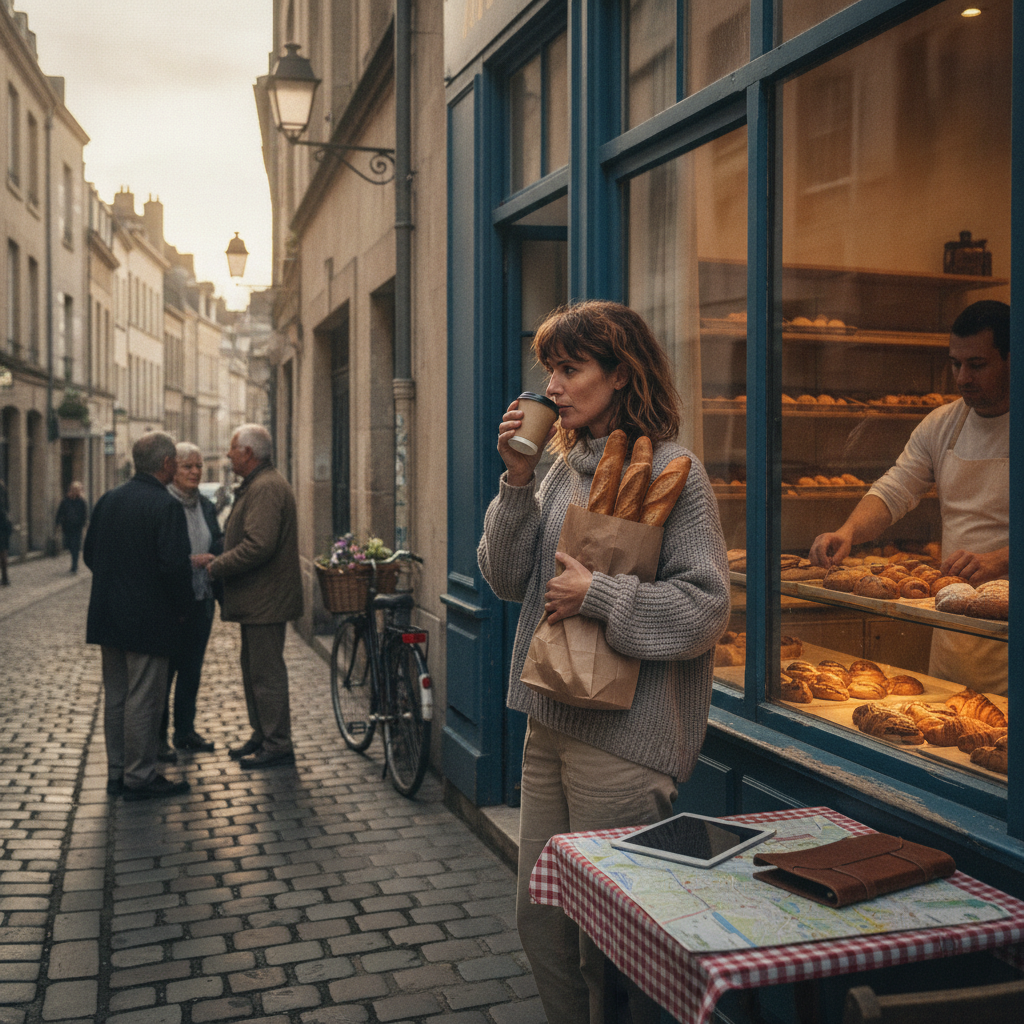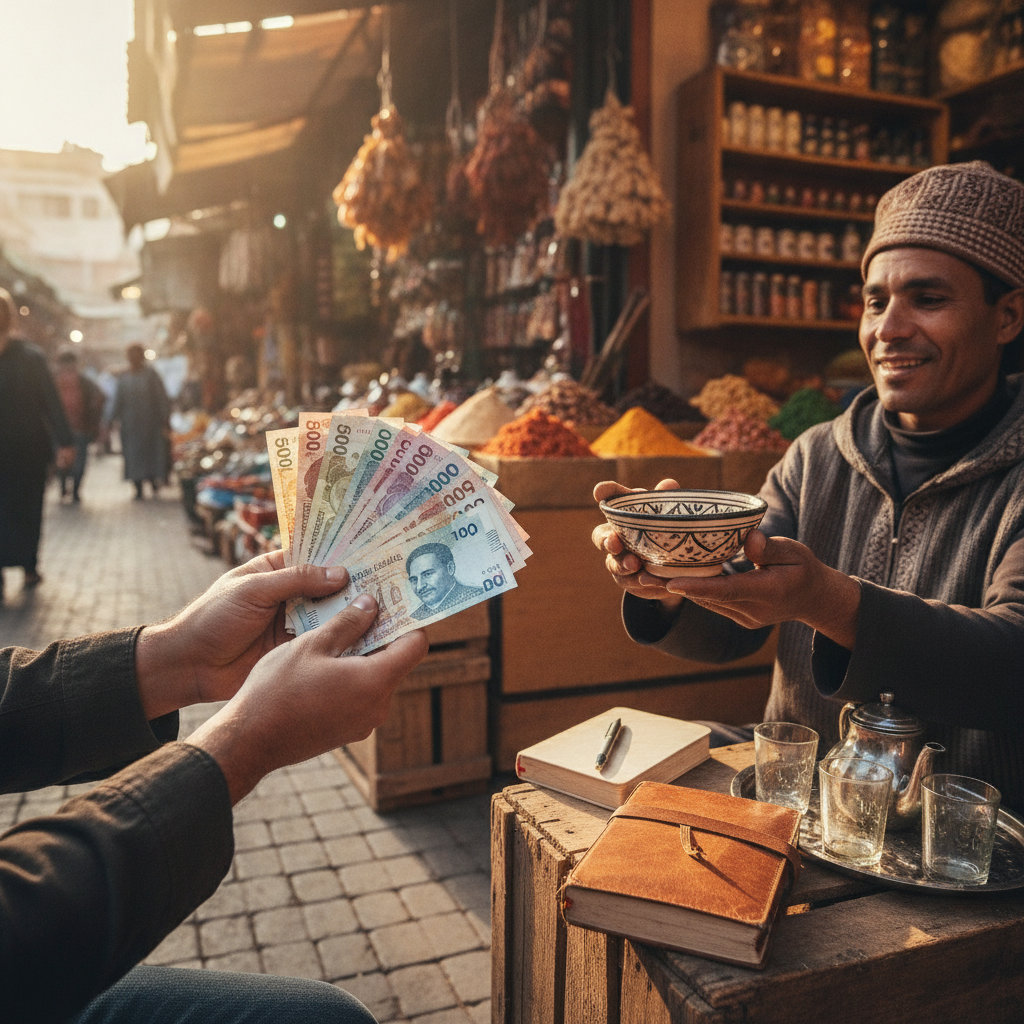
Paying with a card while traveling is effortless right up until the moment you check your bank statement back home and wonder where it all went. The swipe-and-move habit that works fine in daily life becomes surprisingly destructive on a trip, where the cost of everything feels slightly abstract and the temptation to treat every day as a special occasion compounds quickly. Switching to a fixed daily cash budget in local currency isn't just a frugality trick — it fundamentally changes how you make decisions about what your time and money are actually for.
Set Your Daily Envelope Before You Leave Home
The most important part of this system happens before you board the plane. Research the realistic cost of meals, transit, and entry fees at your destination, then set a daily cash limit that's honest but not punishing. Destinations like Lisbon, Chiang Mai, or Medellín have very different baselines, so a number that works in one city is meaningless in another. The goal isn't to deprive yourself — it's to have a clear ceiling that makes every purchase feel like a deliberate choice rather than an afterthought. Writing that number down and committing to it before the trip removes the negotiation from each day.
Withdraw Cash at the Airport or a Local ATM on Arrival
Once you land, withdraw your first few days' worth of local currency from an ATM rather than exchanging at a currency desk, where rates are typically worse. Apps like Wise make it easy to hold local currency on a card you can use to withdraw at favorable rates, but the physical act of pulling out the cash each morning is what activates the system. Keeping it in a dedicated pocket or a small envelope makes the remaining balance visible at a glance. That visibility is the entire mechanism — you can't ignore a thinning stack of bills the way you can ignore a running card balance you never look at.
Let the Physical Remainder Guide Your Afternoon Decisions
The psychological shift becomes obvious around midday. When you can see exactly what's left in your daily envelope after breakfast and a museum ticket, you make different choices about where to eat lunch. You start weighing a sit-down restaurant against a market stall not out of deprivation but out of genuine prioritization. If the evening experience you're looking forward to costs more, you naturally adjust earlier in the day without needing a spreadsheet to tell you. The cash does the thinking. This is the core value of the system — it externalizes your priorities so you don't have to recalculate them constantly.
Reserve Your Card Strictly for Planned Large Expenses
This system works best when your card stays in your bag for spontaneous purchases. Accommodation, flights within a region, and pre-booked tours are reasonable card expenses because they're planned. The daily cash budget covers everything else — food, transport, tickets, small souvenirs, street coffee. Mixing card and cash spending on the same category immediately blurs the boundary and defeats the purpose. The discipline here isn't financial anxiety; it's clarity. When you know your card is for the guesthouse and your cash is for the day, decisions sort themselves naturally without ongoing mental accounting.
Roll Unspent Cash Forward or Put It Toward Something Meaningful
One of the quiet rewards of this approach is the rollover. When you underspend on a Tuesday — maybe because you spent the afternoon in a park rather than paying for another attraction — that leftover cash can carry forward to Wednesday or accumulate toward something you actually want. A nicer dinner on your last night in Porto, a cooking class in Oaxaca, or a long ferry ride you weren't sure you could afford. Rolling unspent cash toward a meaningful experience closes the loop between restraint and reward. It makes the whole system feel generative rather than restrictive.
Track Patterns Weekly, Not Transaction by Transaction
The cash system eliminates the need for obsessive daily tracking because the envelope does the work. A quick weekly check — how much did you average per day, where did you overspend, what felt worth it — is enough to keep things calibrated without turning the trip into an accounting exercise. This is different from ignoring your spending entirely. It's a lighter, more humane kind of awareness. You're looking for patterns rather than auditing receipts. That distinction matters because it keeps the budget from becoming a source of stress, which would undermine the whole point of being away.
Notice What You Stop Buying Without Missing It
Something interesting tends to happen a few days into the cash system: you stop buying certain things almost automatically. The second round of drinks you didn't really want, the overpriced bottled water near a tourist landmark, the impulse souvenir that would have sat in a drawer back home. None of these feel like sacrifices because you never consciously decided to skip them — the cash simply ran a quiet veto. What remains in your spending is a cleaner reflection of what you actually value on a trip, which turns out to be useful information long after you've returned home.
Adjust the System for Multi-Day Excursions or Slower Travel
If your trip involves a few days in a remote area, a longer slow-travel stretch in one neighborhood, or an island where ATM access is limited, adjust the envelope system accordingly. Pre-load several days of cash at once and divide it mentally by the number of days remaining. Neighborhoods like the Alfama in Lisbon or neighborhoods surrounding the Chiang Mai Old City often have lower costs than the more tourist-dense zones nearby, which means your daily number can stretch further with a bit of geographical intention. The system is flexible — what stays fixed is the habit of making cash the decision-maker.
Travel spending is increasingly frictionless, which makes it easier than ever to spend without choosing. The cash envelope approach runs against that current deliberately, and that friction turns out to be where the real travel value lives — in the pauses, the trade-offs, and the small decisions that add up to a trip that actually reflects what mattered to you.