Most travelers approach Nordic countries the same way: they imagine fjords, midnight sun, open-air markets, and long golden evenings. That instinct pulls them north in June or July, when prices peak, crowds gather, and the natural world takes center stage. What gets overlooked in this seasonal rush is that winter brings an entirely different Nordic world indoors — one built around museums, concert halls, art institutions, food culture, and a particular kind of domestic warmth that defines life at these latitudes for half the year. Planning a trip around that interior cultural season, rather than chasing summer light, often produces something more layered, more affordable, and more genuinely Nordic than anything a midsummer itinerary can offer.
The Logic of Traveling Inward
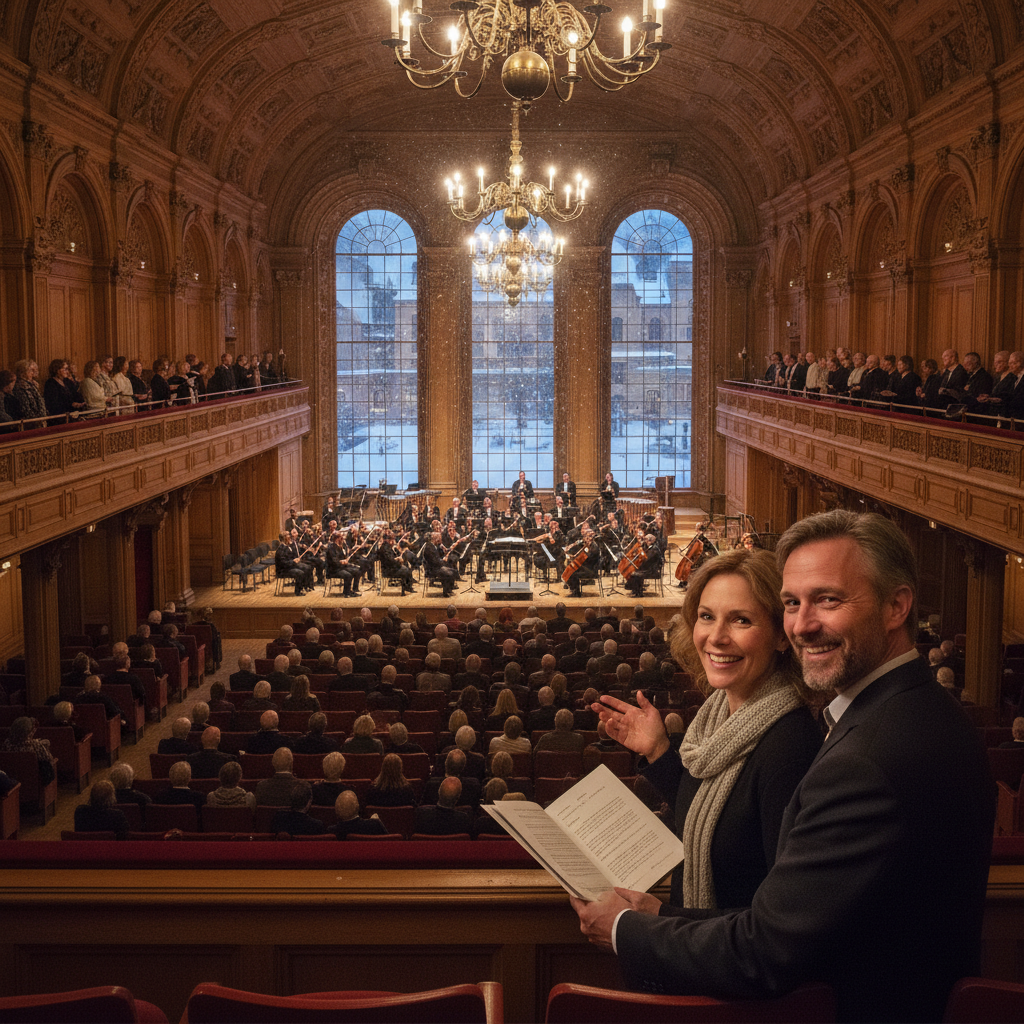
When temperatures drop and daylight shortens, Nordic communities don't retreat — they gather. In Oslo, Helsinki, Copenhagen, and Stockholm, the cultural calendar fills with opera seasons, design retrospectives, jazz festivals, and literary events that run from late autumn through early spring. These are the months when locals are most visibly engaged with their own cultural life, when theaters are full and restaurants are at their creative peak. A traveler who arrives in January or February isn't stepping into an empty, hibernating city. They're stepping into a city living at its own rhythm, one largely invisible to the summer visitor who spends most of their time outside. This distinction matters enormously for the quality of a trip because it determines whether you're observing a place or actually moving through it alongside its people.
The indoor cultural season in Nordic countries also tends to be extraordinarily well-organized and internationally accessible. Major institutions like the Ateneum in Helsinki, the Munch Museum in Oslo, and the Louisiana Museum of Modern Art outside Copenhagen maintain rich exhibition calendars through the coldest months, often scheduling their most ambitious shows for winter when their domestic audiences are most engaged. Many of these museums offer weekend programming, late-night openings, and curated tours that don't require advance booking weeks in advance the way summer timed entries often do. You gain spontaneity as well as depth — the ability to linger in a gallery, return to a concert hall, or follow a recommendation from a hotel receptionist without the logistical friction that high season imposes.
What the Budget Looks Like in Winter
The cost difference between a summer and winter Nordic trip is substantial enough to reshape the entire experience. Flights to Scandinavian capitals from North America and Western Europe drop considerably outside the June-to-August window, and hotel rates follow the same pattern, particularly in cities where summer tourism is the dominant driver of hospitality revenue. That cost reduction doesn't mean you're staying in lesser accommodation — it often means you can afford a better-located or more characterful property for the same budget you'd have stretched thin in July. A thoughtful traveler can use that freed-up spending on exactly the kinds of experiences that make a Nordic winter memorable: a tasting menu at a restaurant that would have required months of advance reservations in summer, a night at the opera, or a sauna and swimming session at a city bathhouse.
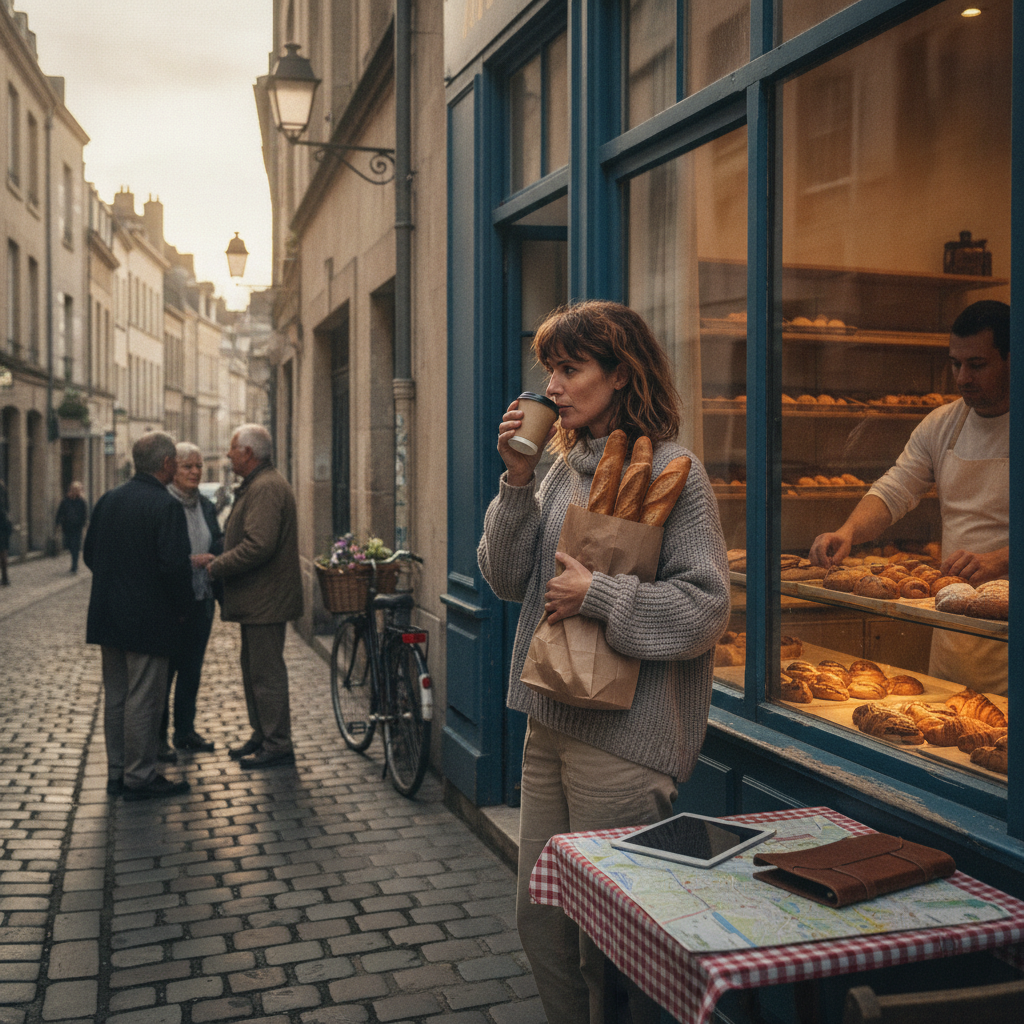
For practical booking, platforms like Google Flights and Booking.com make it straightforward to compare seasonal pricing across a two-to-three month window, and the difference between peak and off-peak rates in cities like Helsinki or Stockholm is often dramatic enough to justify scheduling flexibility. Booking accommodation in residential neighborhoods rather than tourist centers tends to reduce costs further while placing you closer to the everyday life of the city — the bakeries, the local sauna clubs, the neighborhood bookshops that stock Nordic literature in translation. Apps like Tripadvisor and Headout are useful for checking which cultural events and museum exhibitions are running during your specific travel window, allowing you to build an itinerary anchored in actual programming rather than general sightseeing.
Timing Within the Winter Season
Not all winter months offer the same experience. December brings festive markets and a particular Nordic warmth around the holidays, but it also attracts its own crowd of seasonal tourists. January and February tend to be the quietest months across the region — and, for the culturally focused traveler, often the most rewarding. By this point, the major institutions have settled into their winter programming, restaurant reservations become far easier to secure, and the atmosphere in cities feels less performative and more genuinely local. February in particular often coincides with major film festivals, design weeks, and food events across the region, giving a trip an anchor that summer itineraries built around scenery rarely achieve.
Practical Layering for Cold-Weather Travel
The most common hesitation about Nordic winter travel is the cold, and it's worth addressing directly. Temperatures in Helsinki or Oslo in January are brisk but entirely manageable with proper layering, and the Nordic approach to outdoor life — brief, purposeful exposure between warm interiors — makes the cold feel less like an obstacle and more like part of the atmosphere. You don't need specialized expedition gear. A good wool base layer, a wind-resistant outer shell, and insulated boots handle the vast majority of conditions you'll encounter in an urban winter itinerary. The Nordic countries themselves have elevated winter clothing into something of a design art form, and browsing local outdoor and workwear shops is its own worthwhile experience.
What You Actually Remember
Travel memories tend to cluster around moments of genuine connection — a conversation at a bar, a dish that surprised you, a piece of music heard in a room with perfect acoustics, an afternoon spent in a gallery you hadn't planned to enter. Nordic winter travel, organized around the indoor cultural season, creates the conditions for exactly this kind of experience. The slower pace of the cold months, the intimacy of shared interior spaces, and the absence of the summer tourist current all make it easier to be present in a city rather than simply passing through it. A traveler who plans around a museum's winter exhibition calendar or a city's jazz season tends to return home with a far more complete sense of a place than one who follows the standard summer route.
The broad assumption that Nordic countries are best experienced in summer light is understandable but ultimately limiting. The richer, more affordable, and more distinctly Nordic experience has always been waiting on the other side of the calendar — in the warmth of what these cultures have built for the cold.