Most travelers visit a place once and walk away believing they know it. That single trip becomes the whole story — the weather, the crowds, the food, the mood of the streets. But a destination is rarely the same thing twice, and the version you experienced may have been shaped more by timing than by the place itself.
The Seasonal Illusion Every Traveler Carries Home
When you arrive somewhere in peak summer, you encounter a curated version of that place. The restaurants are staffed and running at full capacity, the attractions are open, the beaches or parks are animated, and the town is performing its best-known role. It can feel electric. But that energy is partly a product of the season, not the destination's true character.
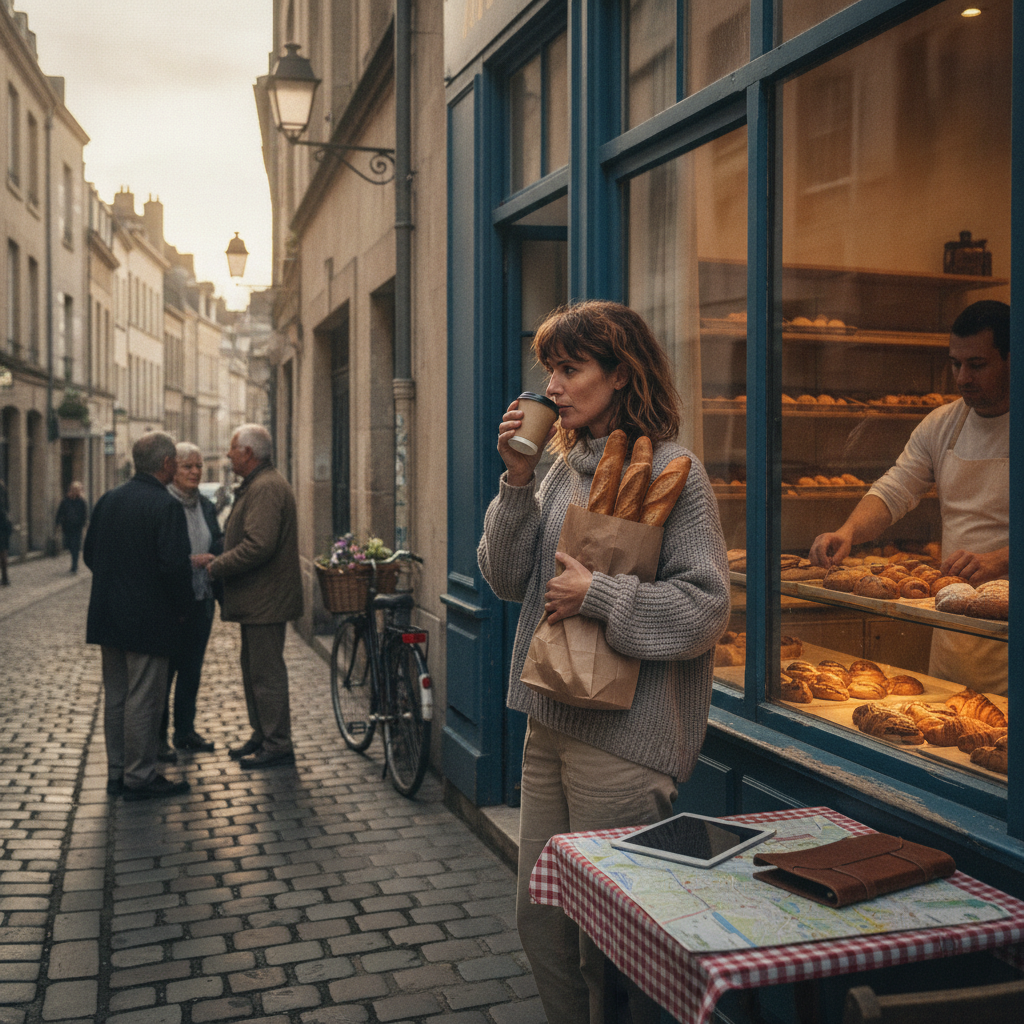
Return in winter — or late autumn, or early spring — and you'll find something entirely different. Streets that were packed with visitors become the domain of locals. Café owners have time to talk. Markets shift their offerings. The light changes, the pace slows, and the texture of daily life becomes visible in ways that high season simply buries. You start to see the place as it actually lives, not just as it presents itself to tourists.
This is why returning to the same destination in a different season, even a year apart, is one of the most underrated moves in travel. You're not retreading old ground — you're finally seeing the whole map.
What Changes Between Visits
The most obvious shift is atmospheric. A coastal town on the Adriatic that feels like a festival in July might feel like a quiet poem in November — emptier, cooler, stripped back to its bones. That version often turns out to be the one locals prefer. Prices drop, accommodation becomes more flexible, and the whole social rhythm of the place adjusts to something more sustainable and real.
Beyond atmosphere, your relationship to the destination changes too. On a second visit, you already know the layout. You're not spending half your mental energy orienting yourself or second-guessing restaurant choices. That freed-up attention lets you notice things — a neighborhood you rushed past, a market you didn't investigate, a conversation you were too tired to have last time. Familiarity creates room for depth.
The practical differences are also significant. If your first trip was during school holidays or a major local festival, you were paying peak prices for accommodation and dealing with heavily booked attractions. A return trip in the off-season often costs a fraction of that, without sacrificing much of the experience. Apps like Google Flights and Hopper both allow you to track fare trends across different months, which makes it straightforward to identify the pricing gap between seasons for a specific route. That gap is often larger than most people expect.
Planning the Return Trip With Intention
The key to making this kind of trip work is treating the return as its own journey, not a repetition. Before you go back, spend some time with a notes app like Notion or even just a simple document, and review what you did on your first visit. List the things you skimmed over, the neighborhoods you didn't explore, the day trips you skipped because you were too busy. That list becomes your agenda for the second visit.
Then consider what the new season makes possible. A city that was sweltering in summer might be genuinely pleasant to walk in autumn, which means you can spend more time on foot, covering more ground without exhaustion. A ski town that was buzzing with winter visitors might be completely peaceful in May, offering hiking trails and empty mountain villages with none of the winter pricing. You're not just revisiting — you're accessing a different version of the same place.
For accommodation, look beyond the same hotel or rental you used before. Platforms like Airbnb often surface different inventory in off-peak periods, and locally run guesthouses that were fully booked during your first trip may now have rooms available. Staying in a slightly different part of town also shifts how you move through the destination and what you encounter by default.
Timing your return around a season-specific local event adds another layer of discovery. A winter food market, a spring harvest, a quieter local festival that doesn't attract international crowds — these experiences exist in almost every destination and rarely show up on the first trip because they're not part of the peak-season tourist circuit.
The Honest Picture a Single Trip Can't Give You
Traveling somewhere twice, across different seasons, also changes how you talk about a place when you get home. Instead of making sweeping declarations based on a single two-week window, you start speaking with more nuance. You know what the city is like when it's packed and when it's quiet. You know which parts of your original impression were accurate and which were seasonal artifacts.
That kind of layered understanding makes you a better traveler overall. You start questioning first impressions more readily, giving places the benefit of the doubt, and recognizing that a bad experience in bad weather or an overwhelming crowd doesn't mean the destination failed you — it might just mean you caught it at the wrong moment.
As more travelers move away from bucket-list thinking and toward slower, more intentional approaches to travel, the idea of returning to familiar places is gaining traction. The single-visit model treats destinations as boxes to check. Returning, by contrast, treats them as relationships worth developing. And like any relationship, the depth comes not from a single encounter, but from showing up more than once — and paying attention both times.
If there's a place you've already visited that left you curious rather than finished, that's probably your sign. Pull up Hopper or Google Flights, find the off-season window, and start thinking about what the other version of that destination looks like. You might find it tells a better story than the one you already know.