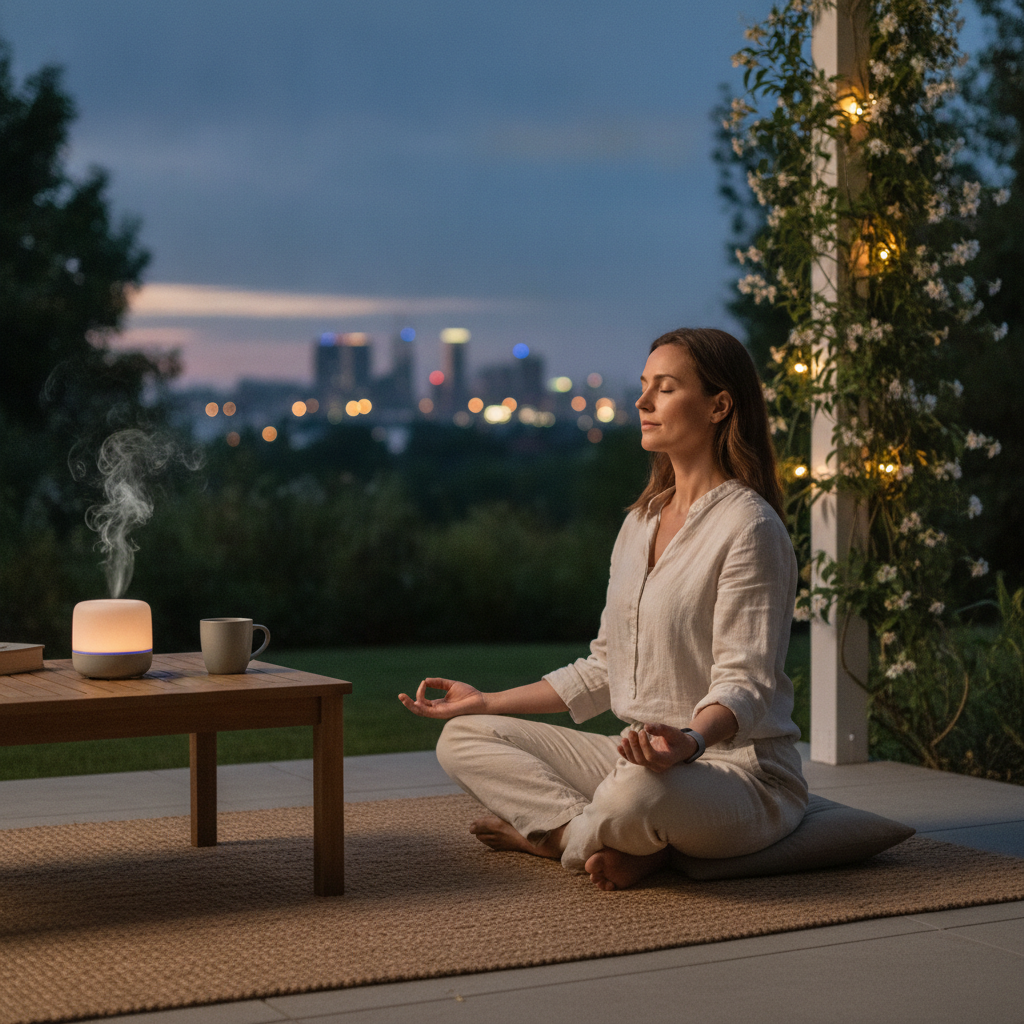
The transition between dinner and the rest of the evening is one of the most overlooked windows in the entire day for influencing cardiovascular calm. Most people move directly from eating to screens, conversations, or chores — keeping the nervous system in an active, stimulated state well into the hours that should naturally be winding down. A structured ten-minute breathing practice placed deliberately in that gap changes the physiological trajectory of the entire evening, with measurable effects on resting heart rate by the time sleep arrives.
Why Resting Heart Rate Before Bed Actually Matters
Resting heart rate isn't just a fitness metric — it's a reliable signal of how calm or activated the nervous system is at any given moment. When that number remains elevated heading into sleep, the body is still in a mild stress response, which affects the quality of early sleep stages. Heart rate monitors from brands like Garmin and Whoop have made it easy for ordinary people to track this in real time, and the data consistently shows that the hour before bed is where the most significant variation occurs. Lowering it isn't about relaxation as an abstract goal — it's about creating the biological conditions sleep actually requires.
What Happens Physiologically During Controlled Breathing
Slow, deliberate breathing directly stimulates the vagus nerve, which is the primary pathway through which the parasympathetic nervous system — the body's rest-and-digest mode — exerts its calming influence on the heart. When breath rate slows below roughly six cycles per minute, the oscillation between inhalation and exhalation begins to synchronize more effectively with heart rate variability, a phenomenon sometimes called respiratory sinus arrhythmia. This synchronization signals safety to the brain's threat-monitoring systems. The result is a measurable drop in both heart rate and cortisol output, neither of which requires any special equipment to achieve.
Why Timing the Practice After Dinner Is the Key Variable
The post-dinner window matters for reasons that go beyond convenience. Digestion itself creates a mild parasympathetic pull as blood flow shifts toward the gut, which means the body is already beginning a natural downshift. A breathing practice introduced at this point works with that existing physiological momentum rather than against it. Contrast this with doing the same practice in the middle of a busy afternoon — the autonomic system is operating from a different baseline, and the effects are less durable. The post-dinner placement essentially amplifies a process that's already under way, producing a deeper and more sustained reduction in arousal.
How Different Breathing Patterns Produce Different Effects
Not all breathing techniques produce the same outcome, and the distinction matters when the goal is cardiovascular calm rather than energy or focus. Extended exhale patterns — where the out-breath is deliberately longer than the in-breath, such as a four-count inhale followed by a six or eight-count exhale — are particularly effective at lowering heart rate because the exhale phase is when vagal tone increases most sharply. Box breathing, popularized in part through Navy SEAL training protocols and apps like Calm and Insight Timer, produces more neutral arousal regulation and works well for anxiety but is less targeted for evening heart rate reduction. For pre-bed purposes, an exhale-extended pattern of ten consistent minutes produces the most reliable results.
What Consistency Over Several Weeks Produces
A single session produces a noticeable effect, but the more significant changes emerge after three to four weeks of consistent practice. The autonomic nervous system adapts to repeated signals, and regular slow breathing appears to shift the baseline at which the body operates throughout the day — not just in the moments of practice. People who maintain the habit report waking with lower resting heart rates than before they began, a sign that overnight recovery is genuinely improving rather than simply feeling subjectively better. Wearable data from devices like the Oura Ring tends to confirm this pattern, showing progressive improvement in heart rate variability scores over the same period.
How to Build the Practice Into Your Evening Without Friction
The simplest version of this practice requires nothing more than a quiet chair and ten minutes of uninterrupted time. Place it immediately after clearing the dinner table — not after a scroll session or a TV episode that might delay it indefinitely. Sit upright with both feet flat on the floor, close your eyes, and begin inhaling for a count of four and exhaling for a count of six or eight, adjusting the pace until it feels sustainable without effort. You don't need a guided app to do this well, though Insight Timer offers free timed sessions if silence feels uncomfortable at first. Set a gentle timer so attention doesn't drift to the clock. The goal is not perfect stillness — it's simply ten uninterrupted minutes of slower-than-normal breathing at a consistent rhythm before the evening continues.
A ten-minute breathing window placed between dinner and the rest of the evening isn't a dramatic intervention — it's a small, repeatable shift that works because it aligns with the body's existing biological momentum. By deliberately engaging the parasympathetic nervous system at a moment when it's already primed to respond, the practice creates a measurable reduction in resting heart rate that carries through to sleep. Over time, that consistency compounds into better overnight recovery, improved heart rate variability, and a calmer physiological baseline that makes every other evening habit more effective.