Most travelers measure a trip's success by how much ground they've covered. The more cities checked off, the more stamps in the passport, the richer the experience — or so the logic goes. But something quietly slips through the cracks of that approach: the actual texture of a place, the rhythms that only reveal themselves when you stay long enough to stop being a visitor.
When Stillness Becomes the Point of the Journey
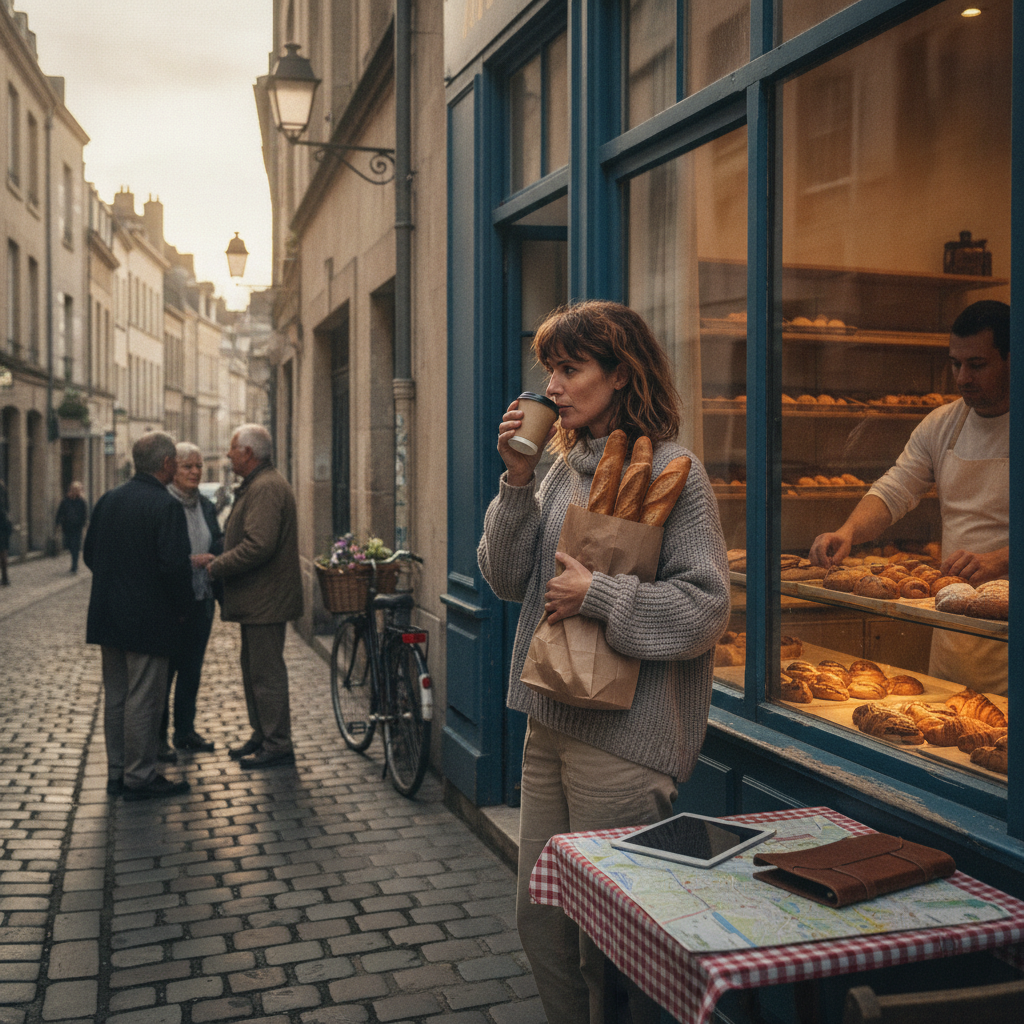
There's a particular kind of knowledge that arrives only after a few days in the same place. The morning light shifts differently over the hills by day four. You recognize the woman who opens the bakery at seven, and she recognizes you. The road that seemed unremarkable on Monday reveals a vineyard, then a Roman wall fragment, then a spring where locals fill plastic jugs on Saturday mornings. None of this appears on any highlight reel, and none of it is available to the traveler who lands, photographs, and departs within thirty-six hours. Depth requires duration — and rural regions, in particular, reward the traveler willing to slow down and let a place come to them.
Why Rural Regions Reward Longer Stays
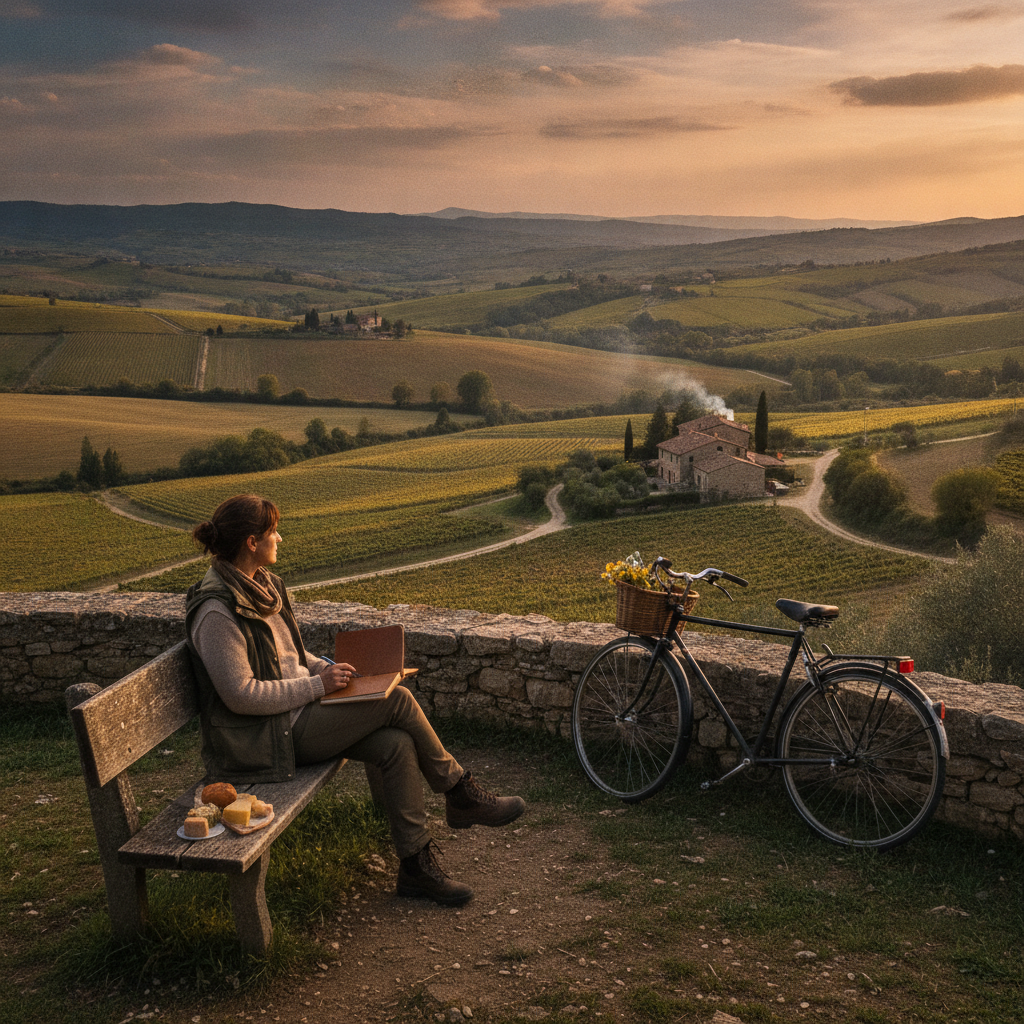
Urban destinations are designed for short visits. Their museums, restaurants, and monuments are packaged for efficient consumption. Rural regions operate on a different logic entirely. A single valley in Umbria, a stretch of the Faroe Islands coastline, or a cluster of villages in the Dordogne has layers that unfold according to their own schedule — not yours. The local market happens once a week. The cheese maker only opens his cellar on Thursday afternoons. The hiking path that the guesthouse owner mentions on day three turns out to be the most spectacular thing you'll encounter all trip. These discoveries aren't accidents; they're what happens when you give a place enough time to reveal itself.
The Hidden Cost of the Multi-City Sprint
Crossing four cities in ten days feels productive in the planning stage. The itinerary looks full, varied, ambitious. But the energy spent on logistics — packing, transit, reorientation, finding where to eat in an unfamiliar neighborhood by nightfall — steadily erodes the capacity to actually absorb what's around you. By city three, fatigue sets in. Meals become functional rather than exploratory. Landmarks get photographed rather than experienced. The traveler arrives home with a full camera roll and a vague sense that something was missed, though it's hard to name exactly what. What was missed, most often, is presence.
What Gets Lost in Constant Transit
Every time you move on, you reset to zero. A new city means a new mental map, new transit logic, new currency of local customs and neighborhood dynamics. That reset costs cognitive energy, and more importantly, it costs the accumulating familiarity that makes a place feel real rather than scenic. Apps like Komoot and AllTrails are excellent for discovering trails in a region you're settling into for a week — they surface routes that locals use, not just the ones that appear in guidebooks. But they're most useful when you have time to return to a favorite path, to walk it again in different weather, and to notice what changed.
Choosing the Right Region for an Immersive Week
Not every rural region rewards a week-long stay equally. The best choices tend to have internal variety — different villages within cycling or driving distance, a mix of landscape types, some cultural anchor like a weekly market or a craft tradition that gives structure to the days. The Lot Valley in France, the Oaxacan highlands in Mexico, or the Alentejo in Portugal all have this quality: enough variety to keep each day distinct, enough coherence to feel like a single, knowable place rather than a sampler of disconnected spots. Choosing well at the planning stage is what separates a restful, enriching week from one that simply feels isolated.
Planning Tools That Support Slow Travel
Platforms like Workaway and Hipcamp have quietly expanded access to exactly the kind of rural accommodation that makes a week-long regional stay viable. Rather than booking a hotel in a town center, you might find yourself in a converted farmhouse with access to the owner's herb garden, or a cabin on a working lavender farm where the hosts know every trail within twenty kilometers. Google Maps, used differently than for navigation, becomes a research tool for identifying the density of villages, markets, and natural features within a region before you commit to it. These tools don't replace the instinct of a well-chosen destination — they support the research that makes slow travel feel intentional rather than accidental.
How Time Transforms Observation Into Understanding
On day one in a rural region, you notice the obvious things: the architecture, the landscape, the food. By day three, you start noticing patterns. Certain cafés fill up at ten in the morning with older men who seem to have been meeting there for decades. The afternoon light empties the village square entirely. Children appear after four. By day five, you're not observing anymore — you're participating, however quietly, in the daily rhythm of a community that exists entirely independently of your presence. That shift, from observer to quiet participant, is what makes a week in one place feel like genuine travel rather than high-quality tourism.
The Memory Difference
Ask someone to describe a ten-day trip across five European capitals, and they'll typically produce a list of landmarks and restaurants. Ask someone to describe a week spent in a single rural corner of Andalusia or the Scottish Borders, and they'll tell you a story — specific, sensory, layered with detail that didn't come from a travel article. The brain stores experience differently when it has time to consolidate. Repeated exposure to the same streets, the same faces, the same morning smells creates the kind of rich, associative memory that persists for years. The multi-stop itinerary produces highlights; the single-region week produces a place you actually know.
Planning Your Week With Intention
The best time to plan a rural immersion is during the shoulder months — late spring or early autumn — when local rhythms are fully active but the region isn't flooded with visitors chasing the same peak-season experience. Leave the first day deliberately unstructured. Let the second day be shaped by what the first day revealed. Build in at least two full afternoons with no plans at all. The unscheduled time isn't wasted — it's where the most memorable moments consistently happen, and it's what separates a trip that felt rushed from one that felt complete.
The traveler who returns from a single rural week often describes something that's difficult to articulate but impossible to deny: a sense of having actually been somewhere, rather than simply passed through. That's the quiet return on staying still — and it's one that no amount of cities crossed, monuments photographed, or miles logged can replicate.