There is a particular kind of city that reveals itself only under grey skies and low winter light — one where the cafés are full of locals rather than tourists, where the museums breathe, and where the rhythm of ordinary life continues undisturbed by the seasonal influx that transforms so many European destinations into something closer to a stage set than a real place. Northern Europe in late winter, specifically the shoulder months of February and March, offers exactly this. For travellers willing to swap guaranteed sunshine for something more textured and genuine, the reward is access to a city functioning on its own terms.
When the City Belongs to Itself Again
By late February, the Christmas markets are long gone and the summer crowds are still months away. Cities like Copenhagen, Tallinn, and Amsterdam settle into a quieter register during this period, one that feels almost private to those who arrive without expectations shaped by peak-season imagery. The streets have a purpose to them — commuters move with intention, market vendors serve regulars rather than curious passersby, and the social architecture of a city becomes visible in ways it simply cannot be when tourist density is high. You're not watching a city perform; you're watching it exist.
Reading the City Through Its Everyday Pace
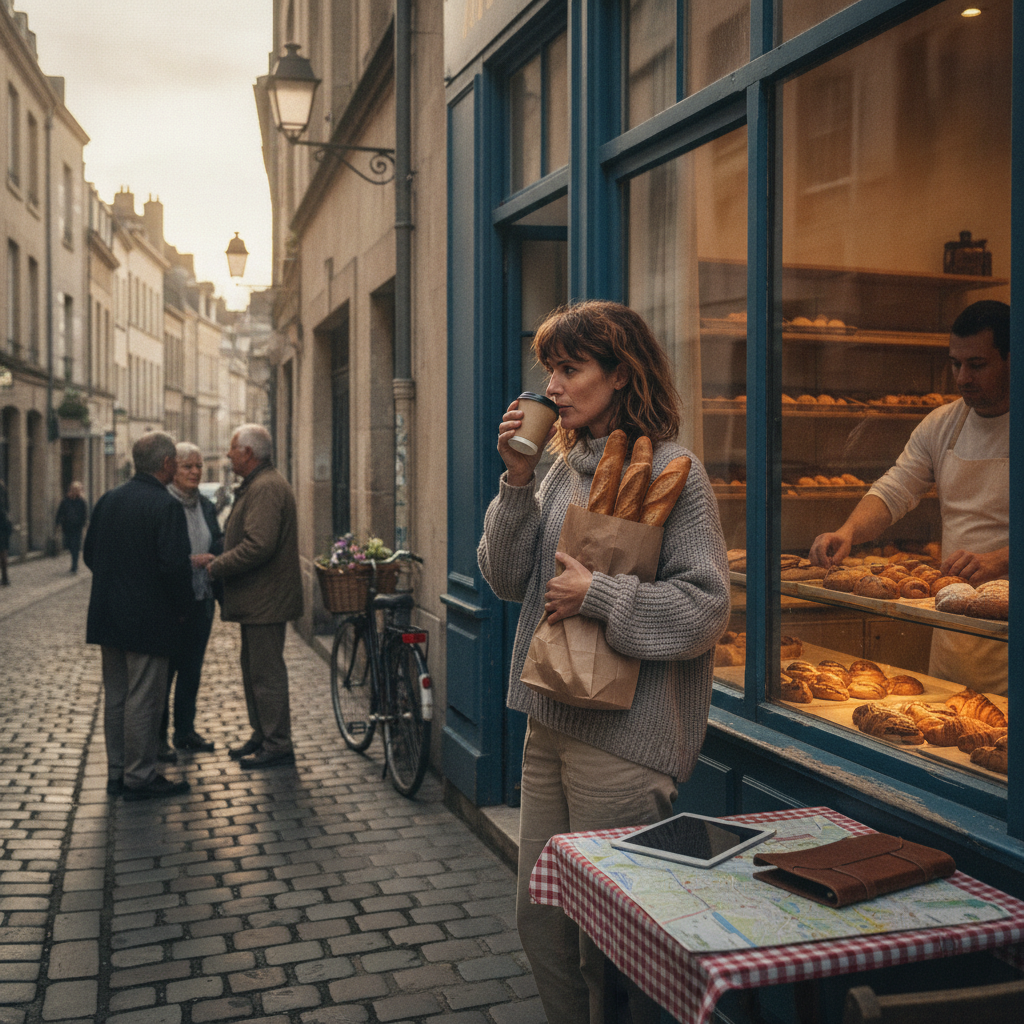
What late winter strips away is the curated version of a place. The restaurants filling up on a Tuesday evening are filling up because locals have chosen them, not because a travel guide sent a wave of visitors their way. The galleries and concert halls running midweek programmes are doing so for their own communities. This everyday cadence — the school runs, the weekend farmers' markets, the neighbourhood bakeries — becomes legible when you aren't competing with a hundred other observers trying to capture the same moment. The city's actual personality surfaces when it isn't dressed for guests.
The Practical Case for Travelling in the Off-Season
Beyond the cultural dimension, the financial logic of late winter travel in Northern Europe is straightforward and significant. Accommodation rates across major Scandinavian and Baltic cities tend to drop considerably during February and March compared to their July peaks, and availability opens up at properties that would be fully booked six months later. Flight routes that run year-round often carry lower fares during this window, particularly on midweek departures. Using Google Flights with its price calendar view, or setting fare alerts through Hopper, makes it easy to identify the specific dates when costs compress most noticeably — often clustering around mid-February before half-term travel nudges prices briefly upward.
Stretching Value Without Changing Your Standards
The savings available during shoulder months don't require downgrading expectations. Boutique hotels and design-forward guesthouses that would require booking months in advance in summer often have rooms available with a few weeks' notice in late winter. Restaurant reservations at well-regarded spots — the kind that operate waitlists from June through August — become achievable with a simple booking made a week ahead. The experience doesn't diminish; it simply becomes more accessible and, arguably, more relaxed, because the hospitality industry isn't operating at full stretch and staff have the capacity to actually engage with guests.
What the Light Does to Northern Cities in Late Winter
One of the underappreciated qualities of Northern European travel in February and March is the light itself. It's low, angled, and extraordinarily photogenic in a way that high summer light — flat and overhead — rarely manages. Cities built along water, like Stockholm and Helsinki, take on a quality during this period that photographers and architects tend to describe with some reverence. The pale gold that appears briefly in the late afternoon, reflecting off canals and harbour surfaces, produces a visual atmosphere that summer visitors simply don't encounter. It's fleeting, which makes it more striking, and it shapes the entire emotional tone of a day spent walking.
Using Shorter Days as a Travel Advantage
The shorter daylight hours that might seem like a deterrent actually encourage a different kind of travel behaviour — one that tends to be richer and more varied. When darkness falls by five o'clock, evenings become intentional rather than incidental. You find yourself seeking out indoor culture: a jazz bar in a converted warehouse, a local theatre production, a long dinner that extends well past what a summer evening's distractions would allow. Apps like Spotted by Locals and Resident Advisor are useful for identifying what's genuinely on in a city during the colder months — events programmed for residents rather than tourists, which tend to be the more interesting category.
The Cultural Calendar That Summer Visitors Miss
Northern European cities programme their cultural calendars with their own residents in mind, and the late winter schedule reflects this honestly. Film festivals, contemporary art exhibitions, design weeks, and food events cluster in the first quarter of the year precisely because the local audience is present and engaged. Copenhagen's food scene, for instance, runs events and chef collaborations throughout February that draw little international attention but represent some of the most interesting culinary activity of the year. Tallinn's old town, stripped of its summer visitor layer, operates at a pace and intimacy during late winter that makes it one of the most unexpectedly rewarding city break destinations in Europe at this time of year.
How Cold Weather Deepens Social Encounters
There is a social dimension to cold-weather travel that warmer months don't replicate. Shared spaces — the café you duck into from the rain, the bar where everyone is thawing out after an afternoon of walking — create a natural openness between strangers that heat and crowds tend to dissipate. Conversations start more easily. Locals who might brush past a tourist in August are often more willing to stop, recommend, or simply chat when the city is quieter and the pace is slower. This isn't a guaranteed outcome, but it's a pattern that late winter travellers frequently describe and that's difficult to manufacture any other way.
Starting to Plan Before the Moment Passes
The window between January and early March is narrow, and the best approach is to begin sketching an itinerary now rather than waiting for a specific motivation. Choosing a city, roughing out five or six days, and running a quick search through Skyscanner to gauge fare patterns takes less than an hour and often reveals options that feel surprisingly achievable. The cities are ready, the cultural calendar is running, and the version of Northern Europe that most travellers never see is quietly going about its life — waiting, without any particular urgency, for those curious enough to arrive.
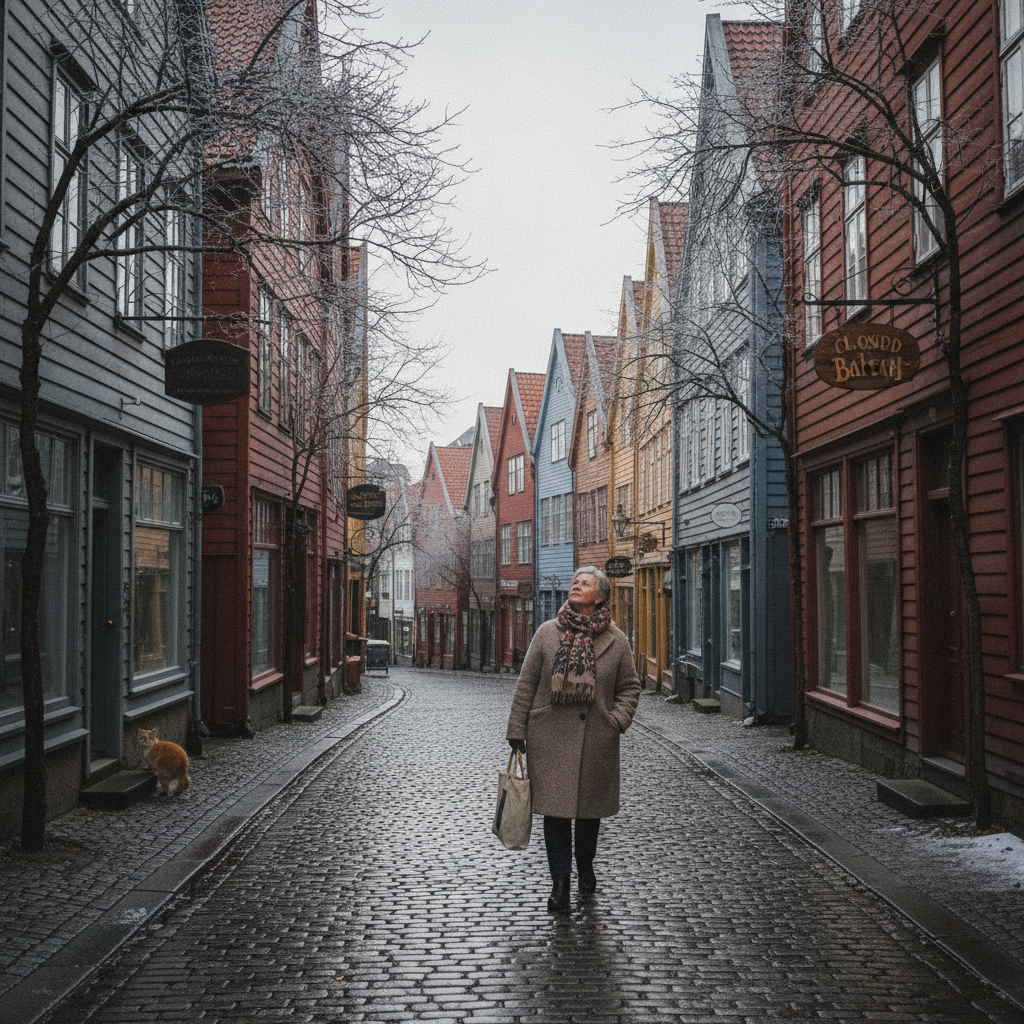
The scene that greets you on a late February morning in a Northern European city — frost on the canal edges, locals moving with purpose through streets that belong entirely to them — is one that summer brochures don't capture because it doesn't exist in summer at all. It's the city in its natural state, unperformed and unpolished, and encountering it during the shoulder months feels less like tourism and more like the kind of genuine connection with a place that most travellers spend years chasing without quite finding it.