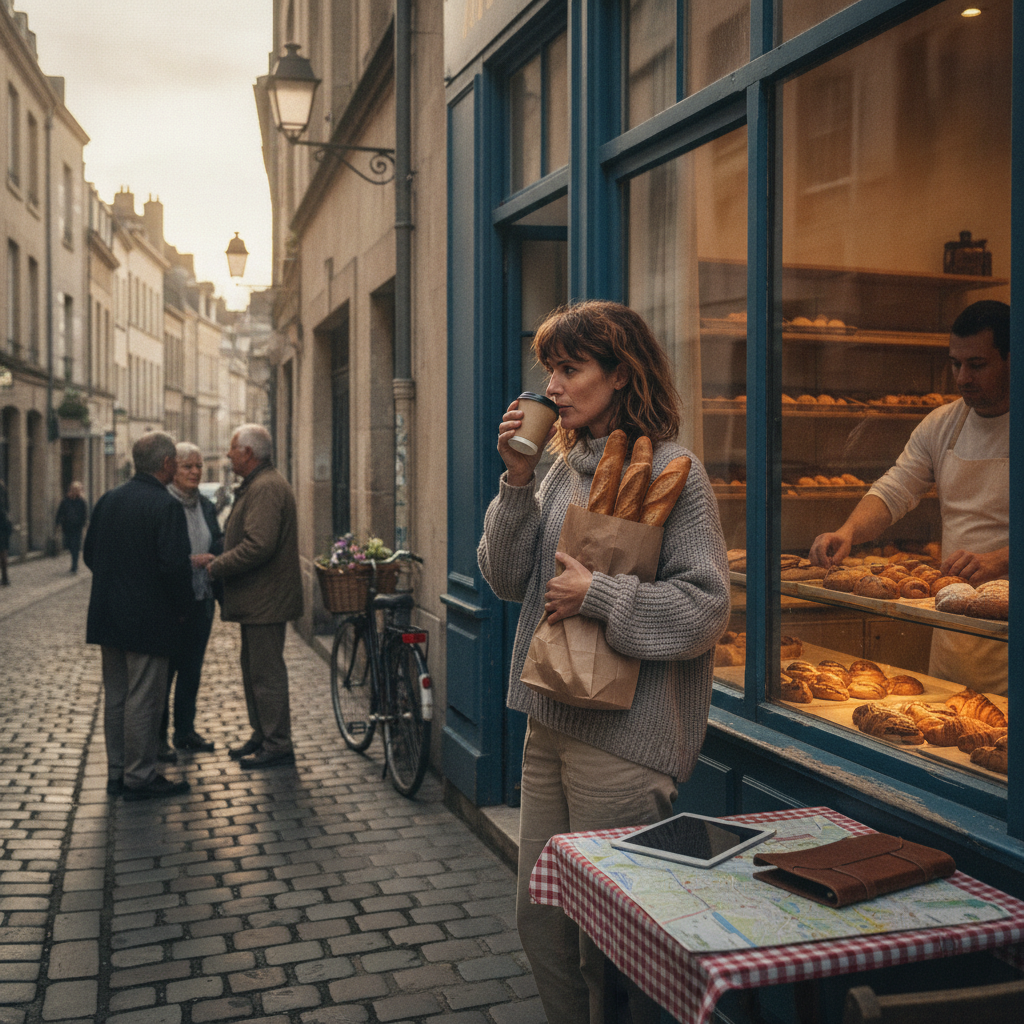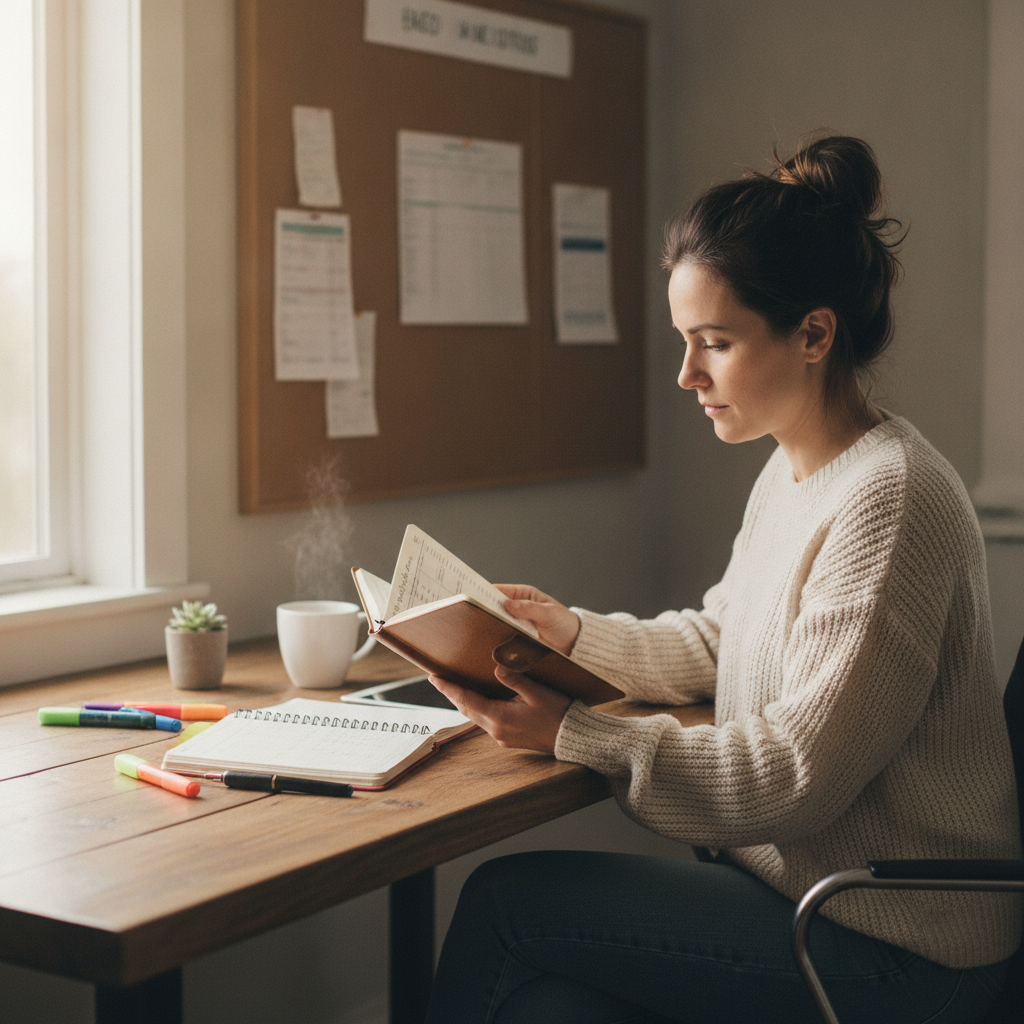
Packing light isn't just a travel philosophy — it's a constraint that quietly rewires how you think about what you actually use. When you limit yourself to a single personal item bag for trips under five days, something interesting happens: you stop packing for every possible scenario and start packing for the trip you're actually taking. The result is faster mornings, less stress at the airport, and a strange kind of freedom that checked luggage never gives you.
Choose Your Bag Before You Choose Your Clothes
The bag sets the rules, so pick it first. A 20-liter backpack like the Aer Day Pack or the Knack Pack gives you enough room to work with without becoming a permission slip to overpack. Once the container is fixed, every item you consider has to earn its spot. This reverses the usual packing logic, where most people pull clothes they like and then find a bag big enough to hold them. When the bag comes first, the decisions that follow are sharper, more intentional, and surprisingly easier.
Build Around Three Outfit Combinations, Not Seven
For a four-day trip, you don't need four outfits — you need three pieces that combine into multiple looks. A neutral base layer, one versatile mid-layer, and a single pair of pants or jeans can carry you through dinner, sightseeing, and a casual morning walk without repeating in any obvious way. Merino wool pieces from brands like Uniqlo or Woolly make this easier because they resist odor and pack down small. The mental shift here is significant: you're dressing for versatility instead of variety, which turns out to be a much more practical standard.
Apply the One-Touch Toiletry Rule
Toiletries are where personal item packing tends to fall apart. The fix is a one-touch rule — if you won't use it every single day of the trip, it doesn't come. That means leaving behind the backup moisturizer, the just-in-case face mask, and the full-size shampoo in favor of solid bars or small decants from somewhere like Muji. A soft-sided toiletry pouch roughly the size of a paperback book is usually all you need. You can buy almost anything you forget at a pharmacy once you arrive, and most hotels provide the basics anyway.
Wear Your Bulkiest Items on Travel Day
Boots, a heavier jacket, thick-soled sneakers — these are the items that eat bag space fastest. Wearing them onto the plane instead of packing them is one of the oldest personal-item tricks, and it still works. Layer strategically: a light base, a flannel or button-down, and a packable outer layer you can stuff into the bag once you board. You arrive looking put-together, your bag stays manageable, and you haven't sacrificed comfort on the road. It takes five extra minutes of planning the night before and saves significant space inside the bag itself.
Use Your Phone to Cut Out Redundant Gear
A lot of what people pack has already been replaced by a smartphone. Physical books, travel alarm clocks, paper guidebooks, separate cameras for casual shots — most of this can stay home. Apps like Google Maps with offline downloads, TripIt for itineraries, and Spotify for downloaded playlists eliminate entire categories of items that used to feel essential. The one exception worth keeping: a small portable charger, since a dead phone on a full travel day is a genuinely bad situation. Keep the tech minimal but functional, and let your phone carry the weight wherever it can.
Plan One Re-Wear Per Day Strategically
The math of personal item packing works best when you accept that re-wearing is not just acceptable but smart. Jeans worn on day one can reappear on day three. A jacket doesn't need washing between wears. The key is planning which items repeat and when, so you always feel like you have a fresh option without actually carrying more. Packing one extra pair of socks and underwear per day handles the non-negotiable hygiene side of things, while the re-wear strategy handles everything else. Most people find that no one notices — and honestly, no one's paying that much attention anyway.
Leave a Quarter of the Bag Empty on Purpose
This feels counterintuitive, but it's one of the more practical constraints you can build in. Leaving roughly a quarter of the bag's space empty when you leave home gives you room for souvenirs, a market find, or a layer you pick up at your destination. It also means the bag stays flexible and comfortable to carry rather than stiff and overstuffed. Packing to capacity leaves no room for the trip to surprise you, and short trips often produce the best impulse purchases precisely because you're moving fast and paying attention to things you'd overlook on a longer itinerary.
Do a Dry Run the Day Before You Leave
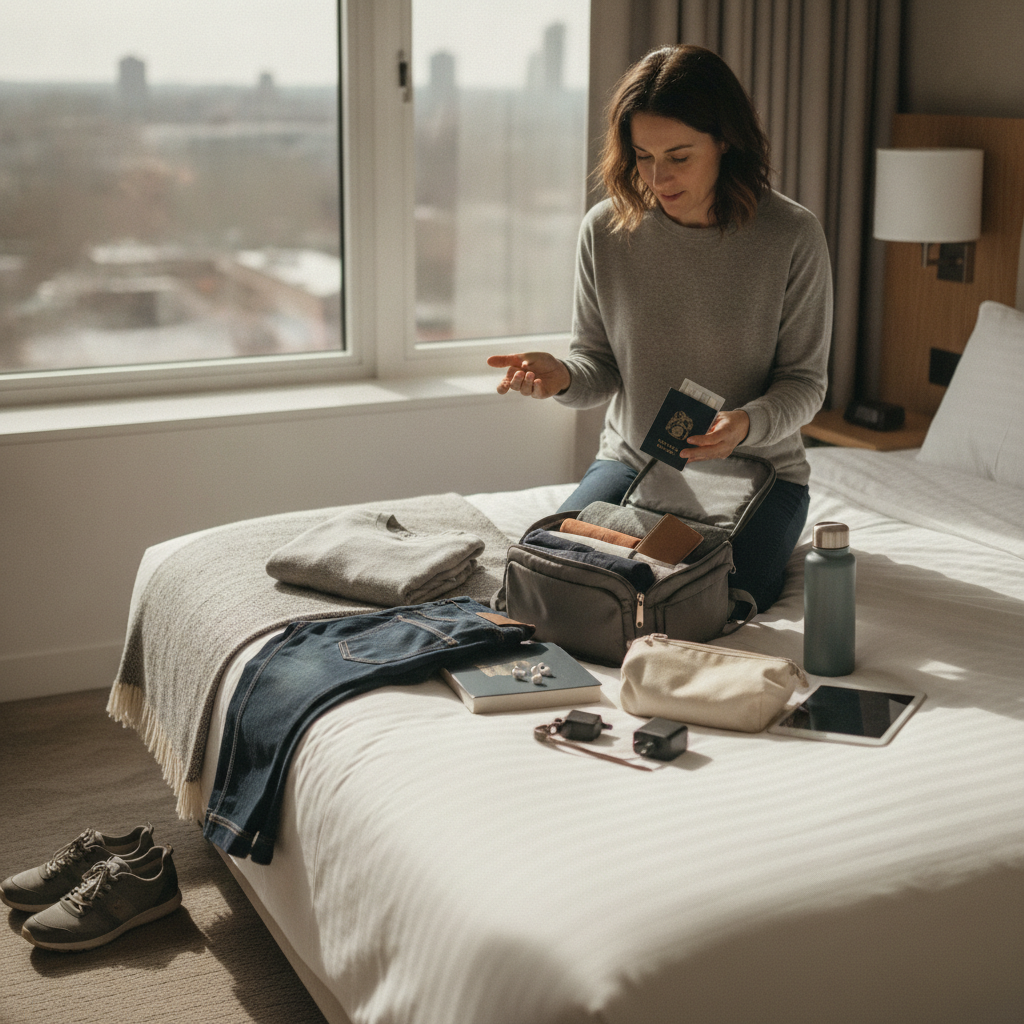
Actually packing the bag 24 hours before departure — not the morning of — gives you time to notice what doesn't fit, what you've doubled up on, or what you've completely forgotten. Lay everything out on a flat surface first, look at it all together, and cut at least two items before anything goes in the bag. This editing step is where the real discipline happens. It's also where you'll catch the "just in case" items that have a way of creeping in: the extra pair of shoes, the fourth charger cable, the rain poncho for a trip to a city with no rain in the forecast.
Traveling with just a personal item bag for short trips isn't about suffering through inconvenience — it's about discovering how little you actually need to move comfortably through the world. The constraint forces clarity, and that clarity tends to make the whole experience lighter in every sense. Once you've done a four-day trip with nothing but what fits on your back, the idea of paying to check a bag for the same kind of trip starts to feel like a problem you've permanently solved.