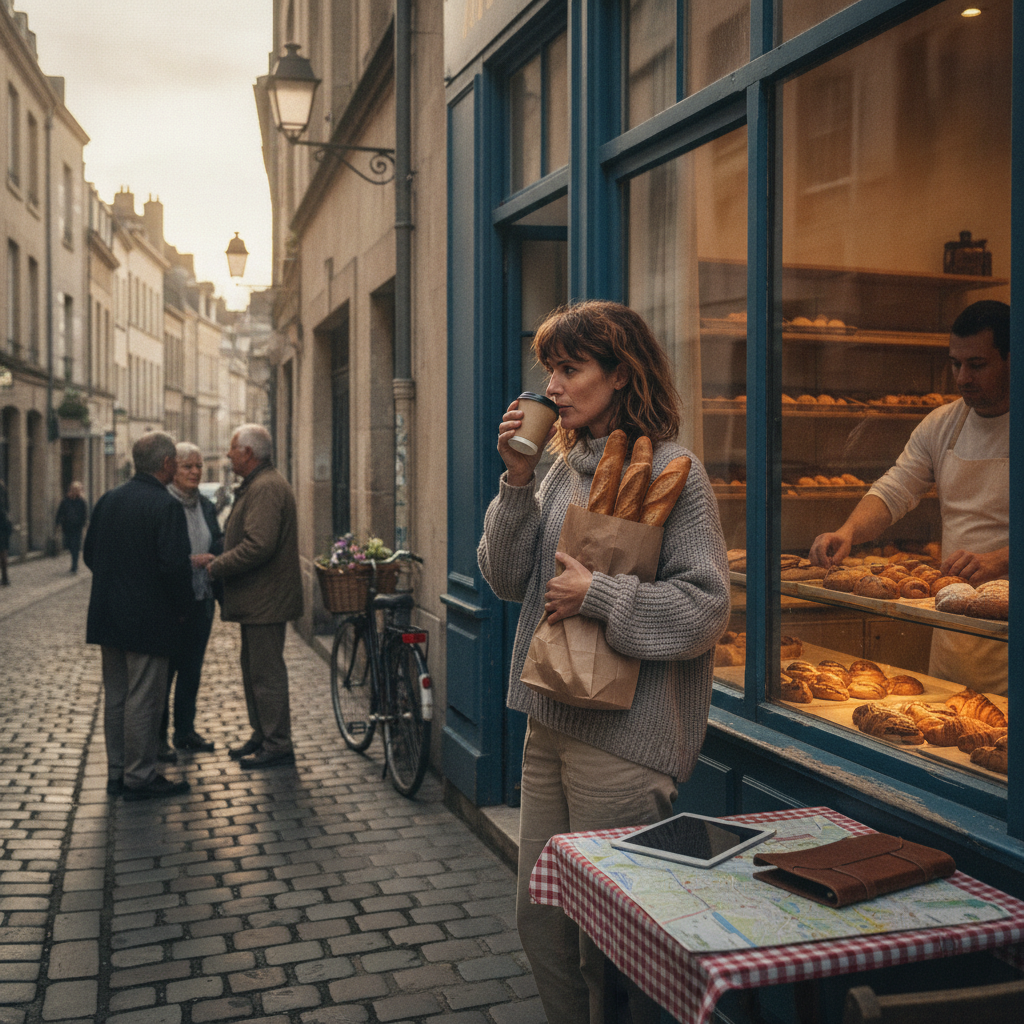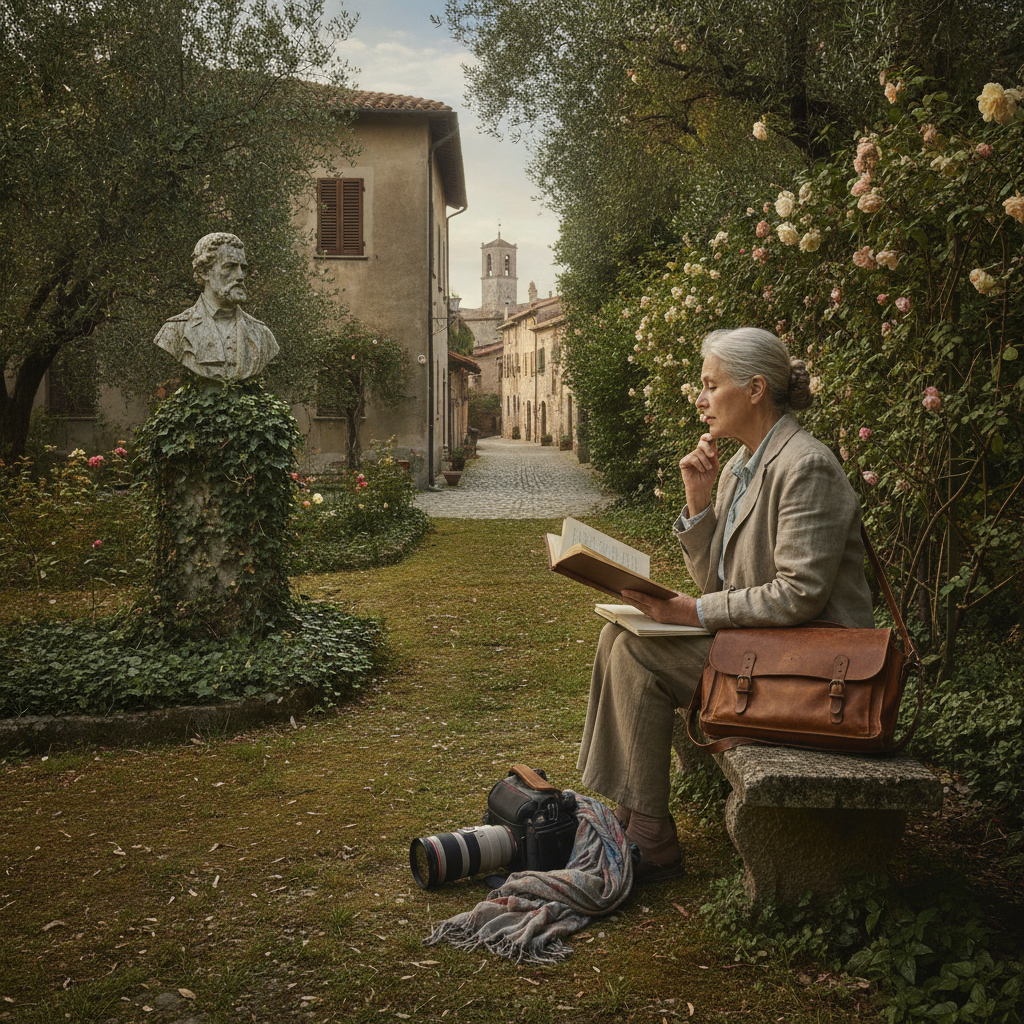
The most enduring travel memories rarely belong to the most photographed places. They tend to belong to places that gave the traveler something to think about long after the flight home — a sentence from a novel that suddenly made sense standing on a particular street, or a painting glimpsed years earlier that finally revealed its context when seen in the city that produced it. There is a quiet but meaningful distinction between choosing a destination because it will look good in a frame and choosing one because it holds a story worth understanding.
Why Photogenic Travel Often Leaves a Shallow Impression
The rise of image-driven travel planning has made it easier than ever to build an itinerary around visual spectacle. Certain cliffs, alleyways, and rooftop views have become destinations unto themselves, stripped of their original context and reduced to backgrounds for photographs. Travelers who plan around these moments often find, on returning home, that the trip felt busier than it was meaningful. The images exist, sharp and well-lit, but the sense of having genuinely understood a place is harder to locate. Visual beauty is real and worth seeking, but when it becomes the primary criterion for choosing where to go, the experience tends to remain at the surface.
How Literary History Gives a Place Its Inner Dimensions
A city with a strong literary tradition offers its visitors an invisible layer of meaning that photogenic cities rarely provide. Walking through Lisbon with even a passing familiarity with Fernando Pessoa's work transforms the experience of the city's fog and faded grandeur into something that feels personally addressed. Dublin, for those who have spent time with James Joyce, becomes a different city entirely — one where streets, pubs, and even the light carry an almost conversational quality. This kind of depth doesn't require academic knowledge. It only requires arriving at a place with a frame of reference that invites interpretation rather than simple observation.
What Artistic Heritage Does to Your Attention as a Traveler
Traveling to a destination shaped by a significant artistic movement changes the nature of attention itself. When a traveler arrives in Arles, France, having spent even a few hours looking at Van Gogh's paintings, the landscape stops being scenery and starts being a subject. The yellow of certain walls, the particular weight of afternoon light in Provence — these stop being incidental and start being meaningful. The same effect applies to cities associated with specific movements: the Bauhaus tradition in Dessau, or the literary salons of early twentieth-century Vienna. These histories give the traveler an active role in the experience rather than a passive one, and that shift in role is what produces lasting memory.
How the Research Process Itself Enriches the Trip Before It Begins
One underappreciated advantage of choosing a destination for its cultural and artistic depth is that the preparation becomes pleasurable rather than logistical. Reading a novel set in the city you're about to visit, or spending a few evenings with a documentary on the artistic movement that shaped it, creates anticipation that is genuinely intellectual. By the time the traveler arrives in Oaxaca to understand its role in Mexican muralism, or in Edinburgh to follow the threads of the Scottish Enlightenment, they've already had weeks of quiet engagement with the destination. The trip, when it comes, feels less like an event and more like a continuation of something already underway.
Why These Trips Produce Conversations, Not Just Photographs
There's a social dimension to culturally grounded travel that tends to go unmentioned. Travelers who have chosen a destination for its literary or artistic significance arrive with questions, and questions tend to produce genuine exchanges with locals, museum staff, and fellow travelers in ways that a photography-driven itinerary rarely does. Asking a bookshop owner in Prague about the legacy of Kafka, or discussing the influence of the Sienese school of painting with a guide in Tuscany, creates the kind of human contact that becomes the texture of memory. These conversations can't be scheduled or optimized. They emerge naturally from the orientation that a culturally literate trip produces.
How to Start Planning a Trip Around Cultural Depth Instead of Visual Appeal
If this approach feels unfamiliar, the entry point is simpler than it seems. Start with a book, a film, or a single artist whose work has stayed with you, and let that thread lead to a place. If a particular novel's setting has always held appeal, research the city or region behind it before looking at any photographs. Give yourself enough time in the destination to revisit the same neighborhood or museum more than once — depth comes from return, not from coverage. Use platforms like Google Arts and Culture or a city's own museum network to map a loose cultural itinerary before arrival. Keep the photography instinct but subordinate it: take the photo after you've sat with the moment, not instead of doing so. You'll find that the images you bring home carry more weight precisely because you understood what you were looking at.
The travelers who speak most vividly about a place they've visited are almost never the ones who went because it looked beautiful online. They're the ones who arrived with a question, a reference point, a thread of meaning they were hoping to pull. Literary and artistic history gives travelers exactly that — a reason to look more carefully, stay a little longer, and carry the experience somewhere beyond the camera roll. The destination that rewards thought is the destination that endures.