There is a version of travel that most people never find, not because it's hidden or restricted, but simply because the calendar works against them. Travelers tend to cluster around the same windows — school breaks, summer holidays, the months when weather is reliably warm and flights are widely marketed. The result is a kind of synchronized tourism that delivers the landmarks but misses the life happening just beneath the surface of any destination.
Harvest season is one of the oldest rhythms in human civilization. Long before airports or travel agencies, entire communities organized themselves around the timing of what the land produced. Rice paddies in Japan's Yamagata Prefecture, grape clusters in Burgundy, olive groves across coastal Crete — these annual events still pull communities together in ways that no festival brochure can fully capture. When a traveler arrives during this period, they step into something that has been repeating for centuries, a cycle that locals don't perform for visitors but simply live.
What Harvest Season Actually Looks Like on the Ground
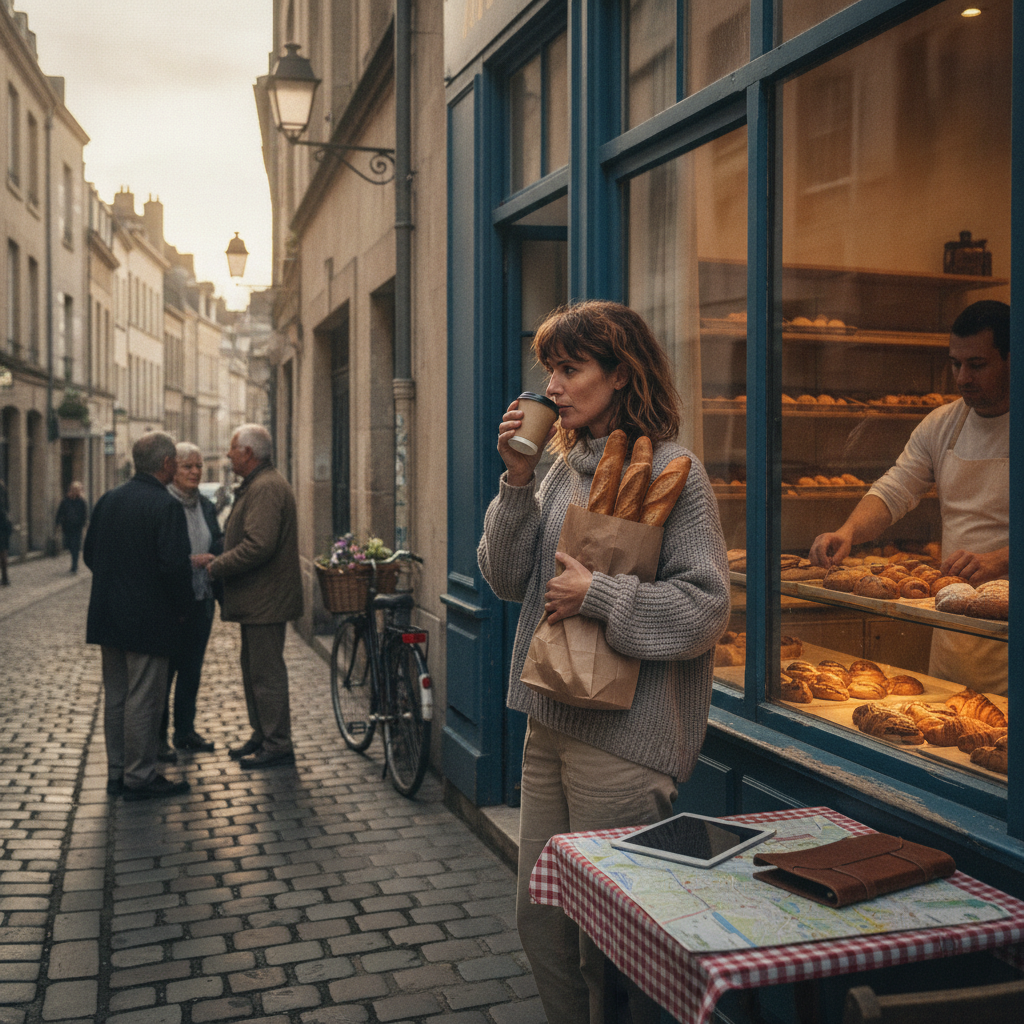
The most striking quality of harvest travel is its ordinariness. This isn't a spectacle staged for audiences. In the Douro Valley in northern Portugal, September brings families into the terraced vineyards at dawn, not for photographs but because the grapes won't wait. Markets in small towns fill earlier and stay open later. Restaurants serve dishes that exist only for a few weeks — grape-based sauces, slow-cooked legumes from the new season's stock, breads made from freshly milled grain. The tempo of daily life accelerates with a sense of shared purpose that is almost impossible to manufacture outside of its actual context.
For the traveler, this creates a rare form of access. Not the access that money buys — better hotels, private tours — but the access that timing provides. Being present during a moment the community is already fully absorbed in means the usual tourist-and-local dynamic loosens. A traveler asking a farmer near Oaxaca about the maize harvest in late October isn't interrupting daily life; they're entering it at a natural point of conversation.
The Cultural Terms Worth Knowing Before You Arrive
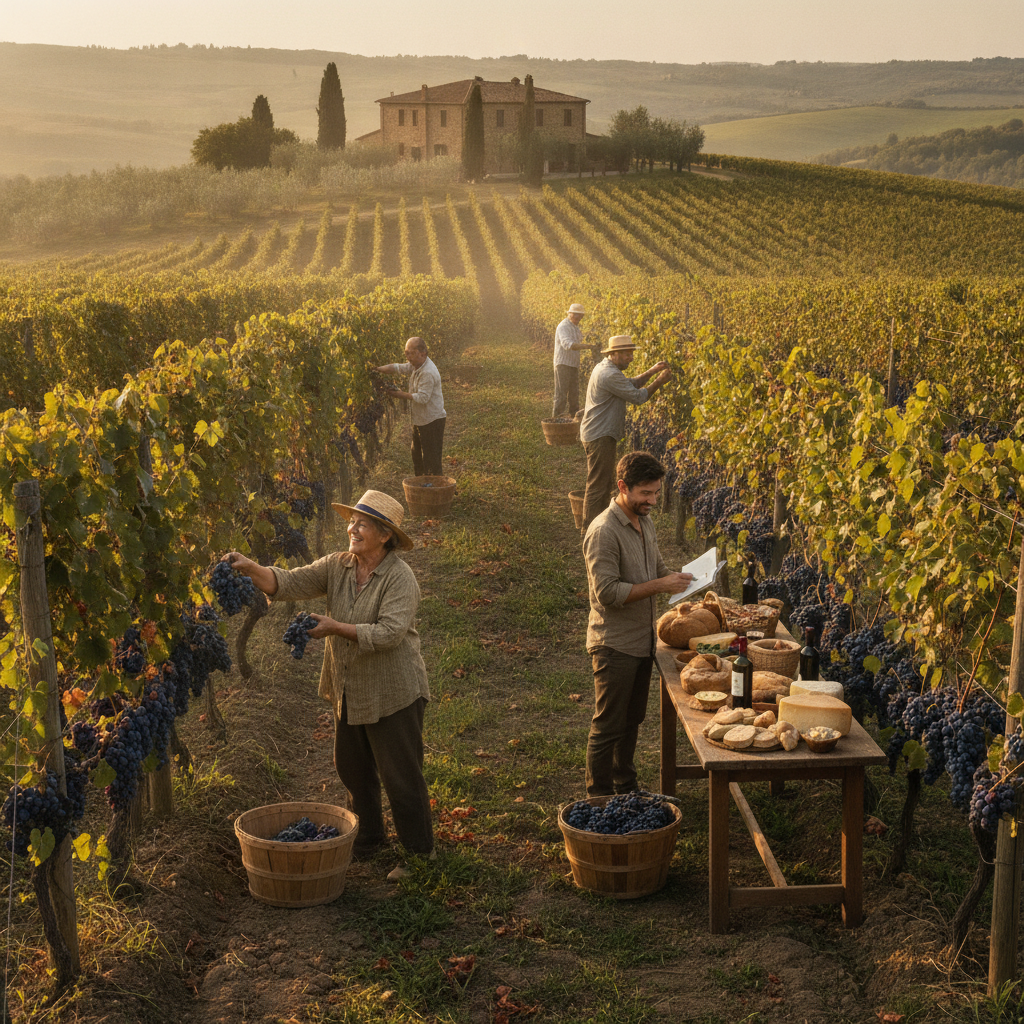
Part of traveling well through harvest season is understanding the vocabulary that surrounds it. In Japan, *shun* (旬) refers to the precise moment when a seasonal ingredient is at its peak — not just available, but optimal. Chefs and home cooks alike organize meals around this concept with genuine seriousness. In Italy, *la vendemmia* describes the grape harvest as both a physical event and a social one, a time when extended families return to rural properties and urban professionals take their most meaningful annual leave. In Bali, *subak* refers to the cooperative irrigation system that governs rice farming across terraced hillsides, a UNESCO-recognized tradition that ties together agriculture, spirituality, and community governance.
Knowing these terms before arriving doesn't make a traveler an expert. What it does is open doors — it signals to locals that a visitor has done more than browse a top-ten list, and it makes conversations richer and more reciprocal.
Why Harvest Travel Is Often Cheaper Than Peak Season
There's also a straightforward practical argument for this kind of timing. Harvest season rarely aligns with peak tourist months, which means accommodation is more available, flights are less expensive, and popular sites are less crowded. A week in Tuscany in late September, when the olive harvest is beginning and the summer crowds have largely retreated, costs considerably less than the same week in July while offering a more textured experience. The same pattern holds in destinations from Morocco's date-harvesting regions in the south to the rice terraces of Mu Cang Chai in northern Vietnam, where autumn brings extraordinary color without the high-season pricing.
This isn't about budget travel as a philosophy — it's about recognizing that the tourism industry's peak pricing often reflects demand built on perception rather than experience. The most memorable version of a place frequently isn't the most expensive one.
How to Plan a Harvest-Anchored Trip
Planning around harvest season requires slightly more research than booking a standard trip, but not substantially more. The basic approach is to identify a region's primary agricultural calendar — which crops define its economy and cultural identity — and then align travel dates with the harvest window rather than the weather window. Agricultural ministries, regional tourism boards, and local food blogs in the destination language often publish this information more reliably than major travel platforms.
Once the timing is set, the planning logic shifts. Rather than organizing an itinerary around landmarks, it becomes organized around producers: a vineyard that welcomes visitors during harvest, a cooperative olive press that opens its doors, a village market that doubles in size for three weeks each autumn. These aren't necessarily formal tourist experiences — some require advance contact, some require only showing up. Agriturismo properties in Italy, farmstay networks in Japan, and community-based tourism programs in countries like Peru and Georgia offer structured entry points without removing the sense of genuine participation.
What You Carry Back That Doesn't Fit in a Suitcase
When you travel during harvest season, something shifts in how you understand the food you eat afterward. A bottle of olive oil purchased at a press in Crete, selected after watching the fruit arrive from the grove that morning, doesn't taste different — but it means something different. The same applies to a ceramic jar of fermented black garlic from a Korean market visited during the autumn garlic processing season, or a small bag of single-origin cacao bought directly from a cooperative outside Cusco during the harvest period. These objects carry context in a way that souvenirs rarely do.
More significantly, harvest travel recalibrates the internal sense of what a place is. Most travelers carry home a version of a destination built from its most accessible and most promoted features. Someone who spent time in rural Georgia during the *rtveli* — the traditional grape harvest — carries something closer to an honest impression: the labor, the communal meals, the particular quality of late-afternoon light on a hillside where people have been working since early morning.
That kind of understanding doesn't require extraordinary effort. It requires only a willingness to let the agricultural calendar, rather than the tourism calendar, shape when you go.