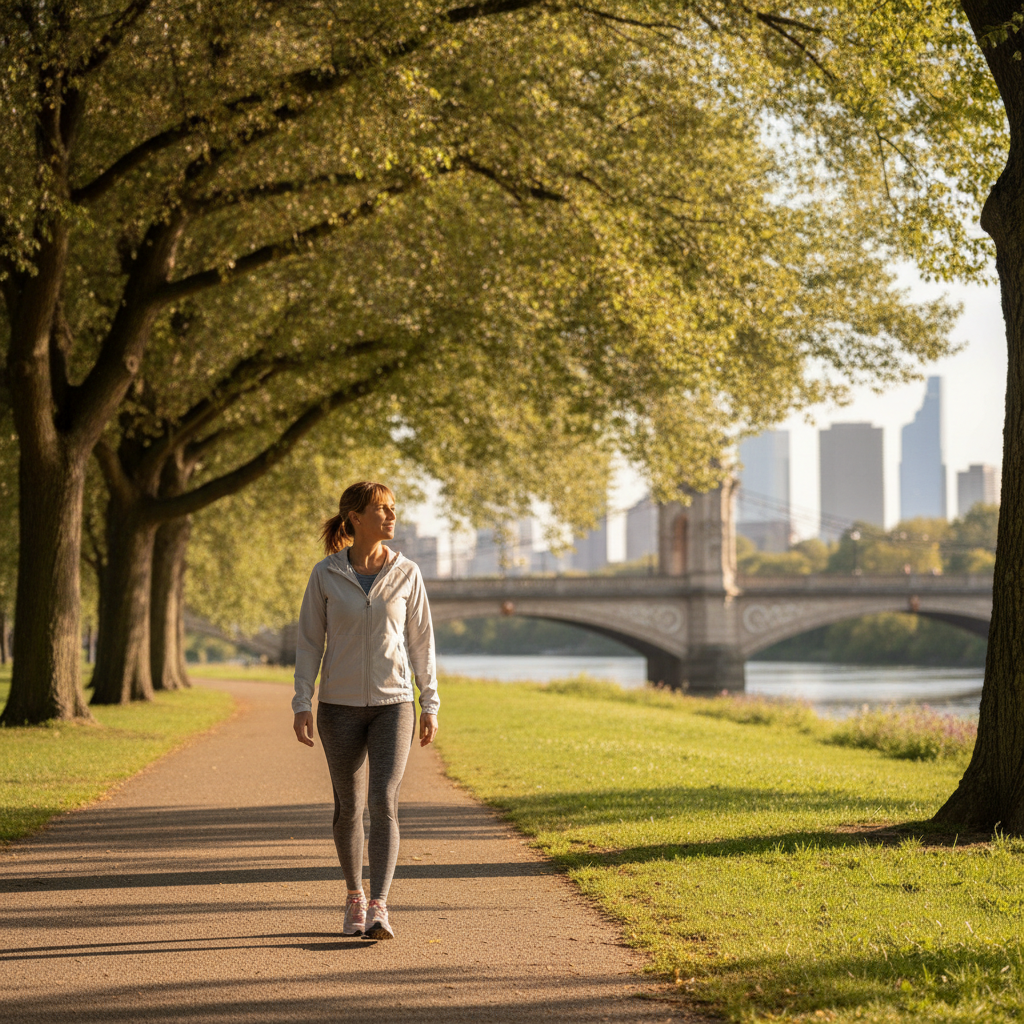
The mid-afternoon slump is one of the most universal and quietly defeating experiences of modern working life. Around two or three o'clock, focus softens, motivation fades, and the automatic reach for a coffee cup begins. It's a pattern so common that it barely registers as a choice anymore. Yet the energy that caffeine delivers in that moment is fundamentally different in character from what a short walk outside produces — and understanding that difference changes how useful each option actually is.
The Physiology of an Afternoon Energy Dip
The mid-afternoon drop in alertness isn't a personal failing or a sign of poor sleep the night before. It reflects a natural trough in the body's circadian rhythm — a brief but predictable period when core temperature dips slightly and the pressure to sleep temporarily increases. This dip tends to fall between roughly one and three in the afternoon for most people and is a built-in feature of human biology rather than a malfunction. Recognizing it as a physiological event, rather than a productivity problem, is the first step toward addressing it more effectively.
What Caffeine Actually Does to Afternoon Energy
Caffeine works by blocking adenosine receptors in the brain. Adenosine is the chemical that accumulates throughout the day and gradually signals the body toward rest. When caffeine occupies those receptors, the sensation of tiredness is temporarily masked — not eliminated. The adenosine continues building up behind the blockade, and once caffeine is metabolized, that accumulated fatigue often returns with more force than before. An afternoon cup of coffee consumed after two o'clock also carries a practical consequence: caffeine's half-life means a meaningful portion of it remains active in the bloodstream well into the evening, often undermining the sleep that would restore genuine energy for the following day.
How a Short Walk Produces Energy Without Borrowing Against Tomorrow
A brisk ten-minute walk, particularly outdoors, triggers a different set of biological responses. Movement increases circulation, raises core temperature slightly, and prompts the release of norepinephrine and dopamine — neurochemicals associated with alertness, motivation, and improved mood. Unlike caffeine, these responses don't block or defer natural processes; they work with the body's existing systems. Natural light exposure during the walk also plays a role, reinforcing the circadian signal that wakefulness is still appropriate. The result is genuine, rather than borrowed, alertness — energy that doesn't collapse once the stimulus wears off.
The Durable Effect: Why the Walk Outlasts the Coffee
Research into exercise and cognitive performance consistently points to a notable pattern: even brief bouts of moderate physical activity extend sustained attention and mental clarity for longer than equivalent periods of caffeine consumption. A ten-minute walk tends to improve focus for anywhere from one to three hours afterward, without the descent into fatigue that follows a caffeine peak. This durability comes from the fact that movement addresses several contributing factors at once — circulation, oxygenation, mood regulation, and light exposure — rather than masking a single symptom. Apps like Oura and platforms like Whoop that track recovery and readiness data have helped many people observe this pattern in their own physiological responses over time.
The Role of Outdoor Light in Afternoon Recovery
The outdoor component of the walk matters more than it might appear. Light intensity outside, even on a cloudy day, is significantly higher than standard indoor office lighting. This difference is meaningful because light is one of the primary signals the circadian system uses to gauge time of day and regulate alertness. A brief exposure to outdoor light in the early afternoon reinforces wakefulness cues at precisely the time the body is experiencing its natural dip. For people working in environments like open-plan offices in cities such as Chicago, London, or Toronto — where natural light access is limited — even a short walk outside can recalibrate alertness in ways that artificial lighting simply cannot replicate.
Making the Swap a Workable Daily Habit
Switching from an automatic coffee refill to a deliberate walk requires a small but genuine shift in habit architecture. The most effective approach is to attach the walk to an existing cue — finishing a task, reaching a natural break in the day, or setting a recurring reminder through a calendar tool like Google Calendar or Fantastical. Keep the threshold low: ten minutes is enough. No special gear, no destination, no structured purpose beyond moving outside. If you work from home, a loop around the block works as well as a park. The goal is simply to step away from the desk, move the body, and let outdoor light do the rest.
The afternoon coffee habit persists because it's immediate, familiar, and socially normalized — not because it's the most effective tool available. A ten-minute walk outside addresses the same biological need with greater precision, producing alertness that lasts longer, costs nothing physiologically, and leaves sleep intact. The energy gained isn't spectacular or sudden, but it's real and self-sustaining in a way that caffeine, by its very mechanism, cannot match.